
Motorcycle Paint Protection Film (PPF) is a must-have for riders looking to preserve their bike’s appearance and value. With constant exposure to road debris, bugs, and harsh weather, motorcycle paint is more vulnerable than car paint. This guide explains how PPF offers lasting protection, enhances aesthetics, and maintains your bike’s resale value.
Why is Paint Protection Film Needed for Motorcycles?
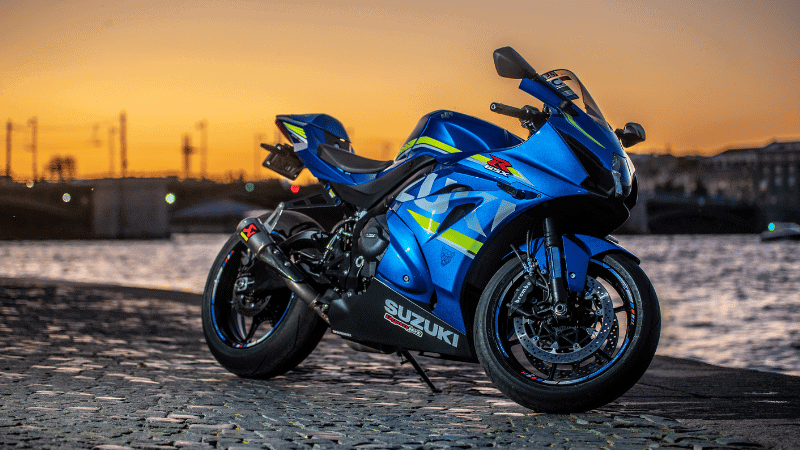
Motorcycles often operate in one of the harshest environments on the road. Every ride rocks chips, sand, bugs, tar, road salt, and UV on the bike’s paint. Loose gravel and road debris cause damage to the surface of the vehicles.
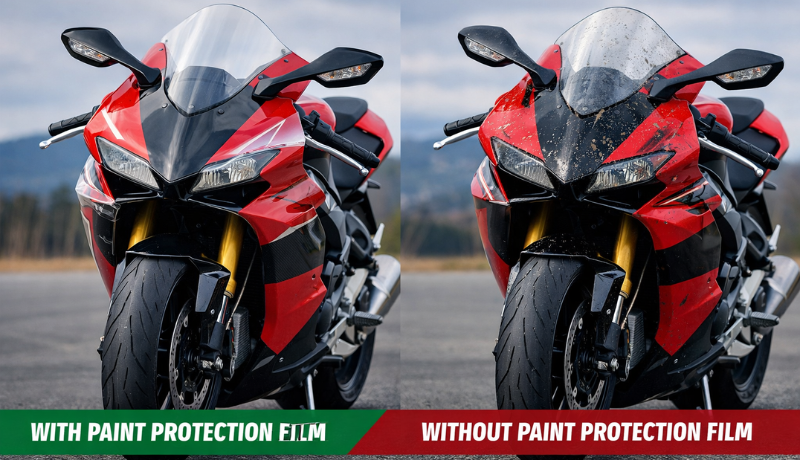
The motorcycles also do not have enclosed panels, bumpers, or windshields to absorb the damage. Paint surfaces of the fuel tank, fairings, frame, and forks can be directly exposed to weathering and rider movement.
Even normal riding vibrations can cause friction damage with time. Exacerbating vulnerability, riding conditions also come into play.
The Paint Protection Film is a sacrificial barrier against impact, which terminates the damage after impact and doesn’t let it reach the inherent paint.
Most Vulnerable Areas at Common Impact on a Motorcycle
Though motorcycle PPF can be applied to almost any painted and exposed surface, certain areas receive a lot more wear and impact during regular riding. These high-contact zones are the first to show scratches, chips, and fading if the paint is left unprotected.
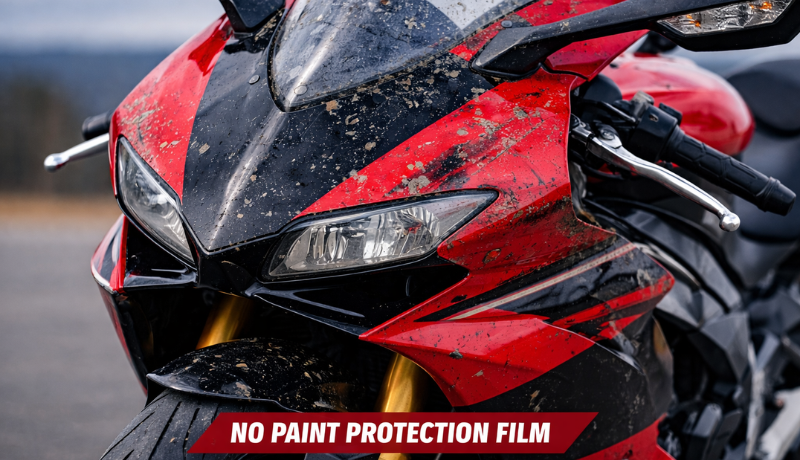
A focus on these major areas will offer maximum protection, pleasing aesthetics, and long-term durability of the motorcycle.
Fuel Tank
The fuel tank is one of the most damaged spots on a motorcycle. Controlled knee contact and abrasive rubbing by zippers and riding gear can cause visible scratches or dulling within months of regular usage.
Front Fairings and Nose Cone
These areas suffer the greatest impacts at high speeds from rocks, bugs, and road debris. With so many incidents occurring over time, paint chips cannot be repaired without either repainting the panels or changing them.
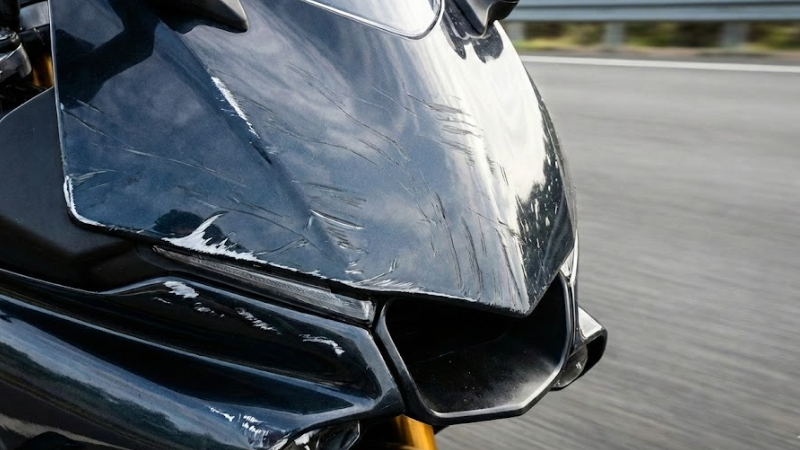
Headlights and Windscreens
Unprotected headlights and windscreens get pitted and become hazy, causing glare in reduced visibility during the night. This reduction in clarity from reduced visibility at night can cause a significant danger to safety.
Forks and Frame Contact Points
Fork tubes and frame areas get exposed to debris thrown up by the front wheel. Over time, chipped or damaged forks can degrade the aesthetic nature as well as shorten the longevity.
Side Panels and Tail Sections
Side panels are easily scuffed by boots, luggage straps, or passenger contact; the tail section gets scratched on gear mounting, top boxes, and seat movement.
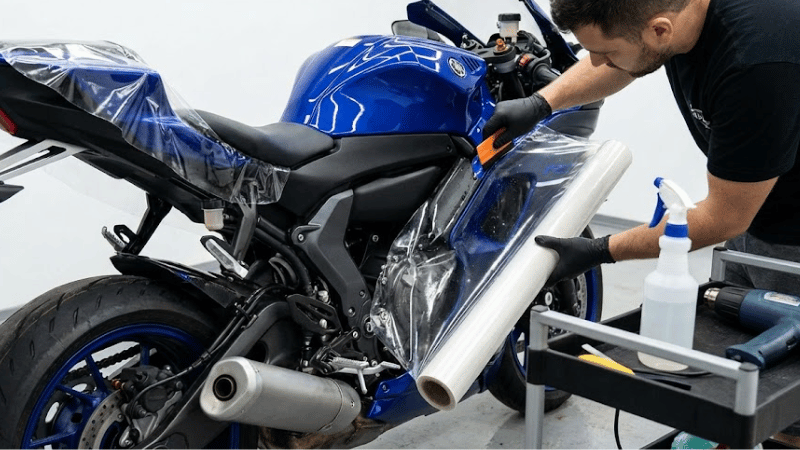
Key Benefits of Motorcycle PPF
Once the most vulnerable parts of a motorcycle have been protected with PPF, it goes far beyond the basic protection against scratches.
Benefits derived from modern motorcycle PPF are durability improvements, ease of maintenance, and retaining the bike’s appearance over time. It, therefore, stands as one of the best protective upgrades that a rider can opt for.
Invisible or Colored Armour for Your Bike
Clear motorcycle PPF can be in gloss, satin or matte finishes, so the riders can protect the paint without affecting its original colour. Clear PPF keeps factory gloss, whereas colored PPF gives a new color upgrade without a repaint.
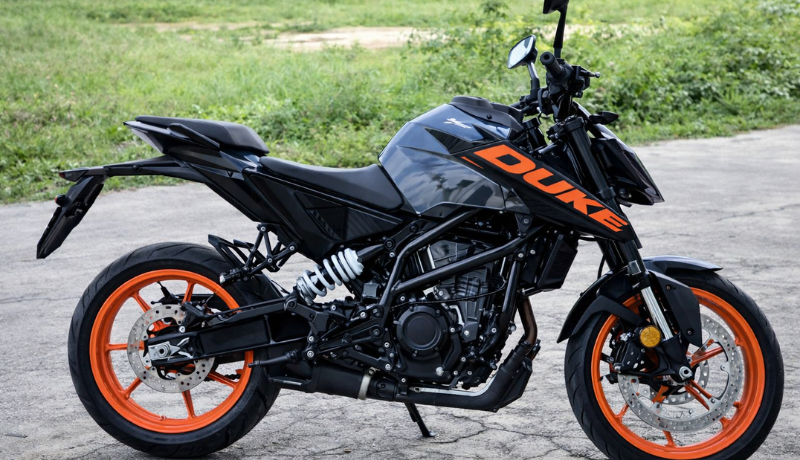
Unlike vinyl wraps, PPF, is produced for impact resistance and durability. It complements the finish of a bike while remaining almost invisible to continue the manufacturer’s original intent.
Easy To Clean After Any Single Ride
PPF is smooth and hydrophobic by nature, resisting bug splatter, road grime, and oil. Contaminants will rest on the film instead of chemically adhering to the paint, thus making it easier to remove the contaminants safely.
With less scrubbing and aggressive cleaning, wear on the paint is slowed down due to the protective covering. Riders spend more time riding than cleaning.
Retain Motorcycle Resale Value
The drawdown of paint weighs heavily in determining the resale price. The PPF keeps the motorcycle looking fresh below the film, and when it is time to sell, the removal of the film will expose the original paint, which gives confidence to buyers and increases the resale value.
Self-Healing Technology
Modern PPF uses thermoplastic polyurethane (TPU) with self-healing abilities. Minor swirl marks and fine scratches disappear with exposure to heat from sunlight or warm water.
This technology helps the motorcycle look good for years despite all the rides it goes through. Normal wear and tear will leave a permanent mark on the paint, which can be self-corrected at the level of the film.
Long-Term Protection with No Maintenance
Methods for traditional protection, like wax or sealants, last weeks or months at best. High-quality motorcycle PPF lasts from 5 to 10 years with the utmost care.
The cost advantage of PPF with these sums is “install once, protect for years.” It becomes a long-term cost-effective solution. Maintenance is avoided by the riders, whilst full protection is gained for the remaining duration of ownership.
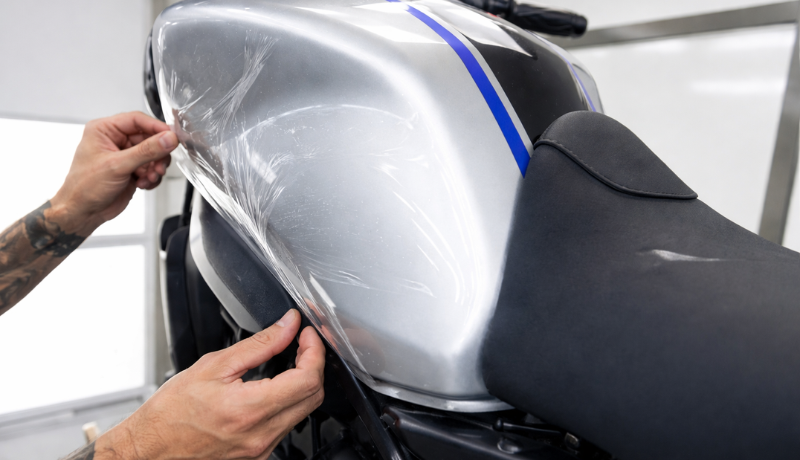
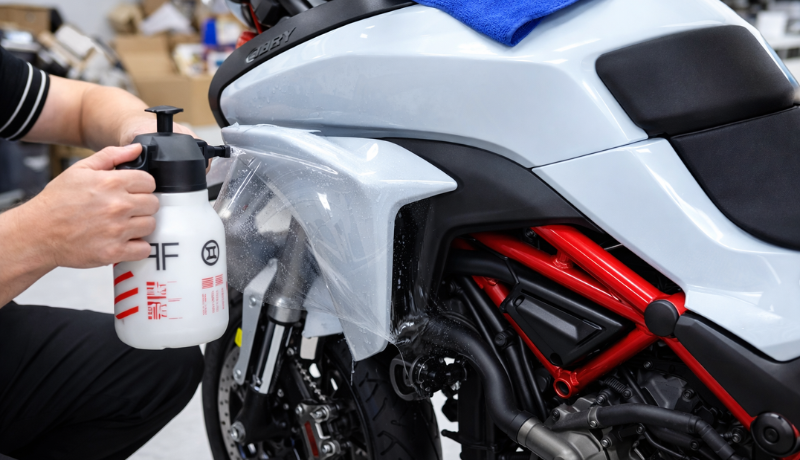
The long-term protection also involves the perfect installation. Fewer mistakes made while applying the PPF also reduce the longevity. Professional installers avoid certain mistakes while applying PPF that will increase the durability.
Motorcycle PPF vs. Other Paint Protection Options
It is very important for the rider to evaluate which of the many options available in paint protection holds real long-term value.
While there are some advantages to wax treatments, ceramic coatings and PPF, they differ greatly when you put them side by side in terms of durability and real-world protection. Thus far, motorcycle PFF certainly helps the rider weigh their choices more considerably and cost-effectively.
| Feature | Paint Protection Film (PPF) | Wax | Ceramic Coating |
|---|---|---|---|
| Impact Protection | Excellent (rock & debris resistance) | None | Minimal |
| Scratch Resistance | High (self-healing) | Very Low | Moderate |
| Longevity | 5–10 years | 1–2 months | 1–3 years |
| Maintenance | Low | High | Medium |
| UV Protection | Excellent | Low | High |
| Removal | Safe & reversible | N/A | Permanent |
The Worthiness of Motorcycle PPF
One of the common concerns regarding PPF is costs. The upfront cost is more than other types of protection, such as wax or ceramic coatings. However, the savings in the long run are worth it. For instance, repainting a fuel tank or fairing costs hundreds, even thousands of dollars.
When it comes to motorcycle PPF, it’s especially valuable for:
- Every day commuter with debris on all roads every time
- Touring riders covering long distances along these highways
- Sport bike owners who care more about aesthetics and resale
- Adventure (ADV) riders face abrasion and dust from off-road
For someone who loves their bike and cares for its aesthetic appeal and longevity, PPF is preventive maintenance against abrasion, not a luxury.
Conclusion
Motorcycle Paint Protection Film provides a good investment for those riders who want prolonged protection but without compromising their style. Protects their paints from damage, maintains resale value, and helps avoid upkeep work. Instead of restoring chips and scratches later, proactive protection through PPF brings peace of mind with every turn of that throttle.
Upgrade Your Ride with Premium Motorcycle PPF from Carlike
Get your motorbike protected like it deserves to be. CarlikeFilm motorcycle PPF provides the industry’s superior clarity, self-healing technology, and long-lasting durability that professionals have been relying on for years.
Whether you ride every day or during weekends, CarlikeFilm helps to keep your bike flawless for years. Inquire now and ride with confidence.
FAQs
Q1: Can motorcycle PPF have an effect on the original paint finish?
No, motorcycle PPF is as safe as factory paint and keeps the colour or gloss intact. Installation of PPF by professionals and then taken off, it will keep the original surface beneath in perfect condition.
Q2: How long does motorcycle Paint Protection Film last?
High-quality motorcycle PPF has a lifespan of 5 to 10 years, depending on riding conditions and maintenance. It offers a lot more protection than wax and traditional sealants.
Q3: Is motorcycle PPF suitable for all types of bikes?
Indeed, regardless of its type-sport, touring, cruiser, or adventure-six bikes benefit from motorcycle PPF, as road debris, UV rays, and everyday use are all great reasons for getting PPF protection on any bike.
Q4: Can you provide samples or color cards?
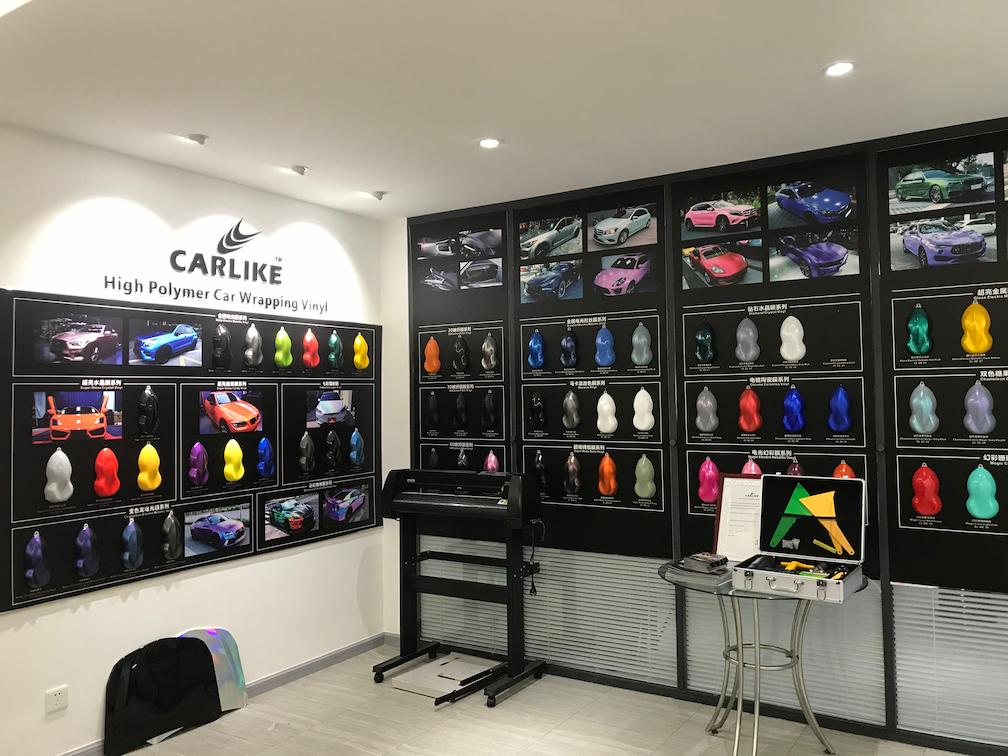
Yes, we can provide you with samples and color cards before your order. Our color card contains hundreds of colors you can contact us to choose according to your market needs.