
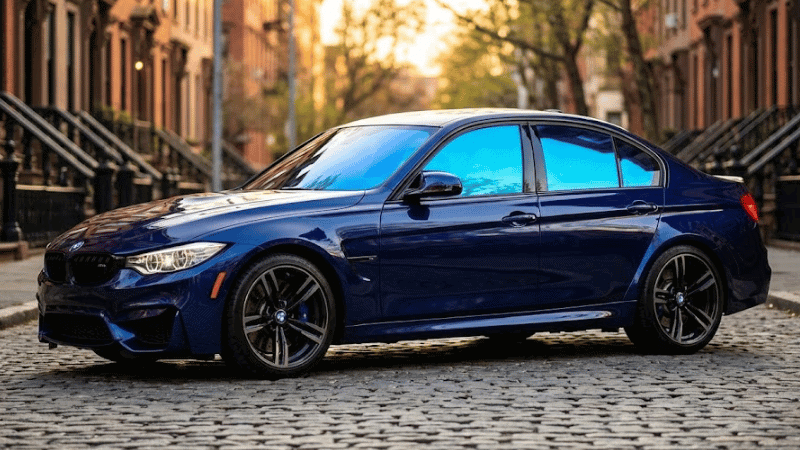
Looking for a stylish and practical upgrade for your vehicle? Blue window tint offers a sleek, cool-toned look while providing UV protection, glare reduction, and enhanced comfort. Whether for daily driving or adding a premium touch to your car, find out why blue window tint is the perfect choice for modern vehicles.
What Is Blue Window Tint?
There are different types of window tints available. Blue window tint is a specialized kind of automotive window film that is made to produce blue coloration right down to a very deep hue while allowing the normal view right through it and to maintain performance.
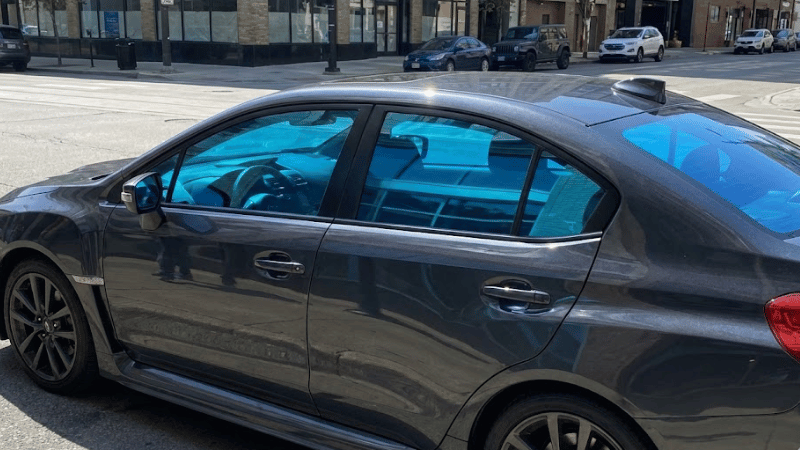
The blue hue is combined through various mechanisms, such as dyes, metallic coatings, or selective filtering using ceramic nanoparticle technology. Unlike a traditional dark tint, blue window tint modifies light transmission without dimming it completely.
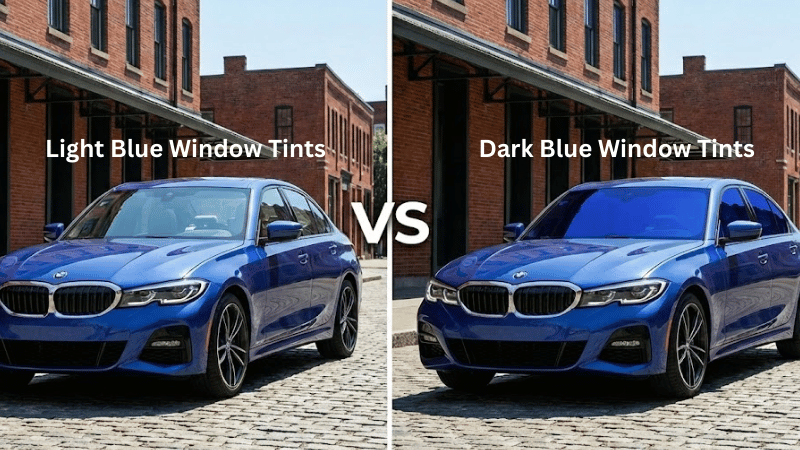
Light Blue vs. Dark Blue Window Tint
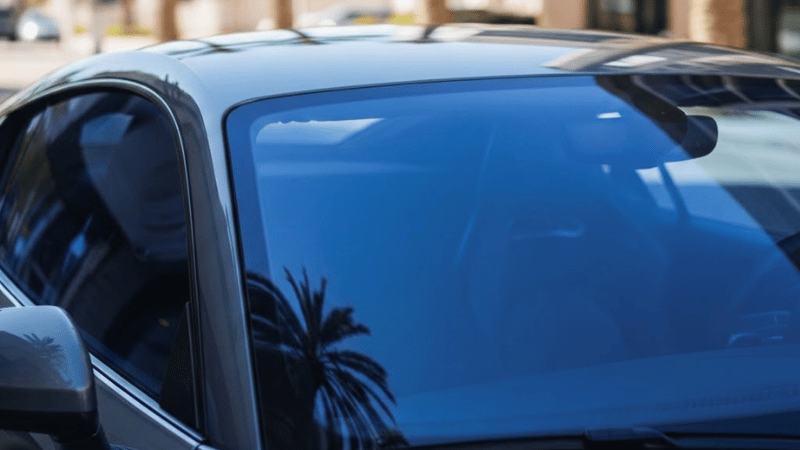
Light blue window tint will provide a hint of soft color, an almost factory look that is usually applied to most OEM windshields.
Moreover, it positively affects the clarity of glass while dealing with very mild glare and UV reduction; therefore, light blue tinting suits the needs of the driver who asks for a clean-agenda, understated look.
On the other side, dark blue window tint makes a heavier statement in terms of aesthetics while giving much-needed privacy and acts as a heat reducer.
Main Uses of Blue Window Tint
Blue window tint has the following most common applications:
- Windshield shade strips (top sun band)
- Full windshield tint (applied in lighter blue shades)
- Side windows for aesthetic balance
- Back windows for privacy and heat reduction
Why Choose Blue Window Tint?
The choice of window tint affects more than its aesthetic appeal; it affects driving comfort, protection, and overall value to the vehicle; thus, it makes a strong case for blue window tint in the consideration of modern-day drivers. Here are some benefits of using window tint.
A Unique, Modern Aesthetic
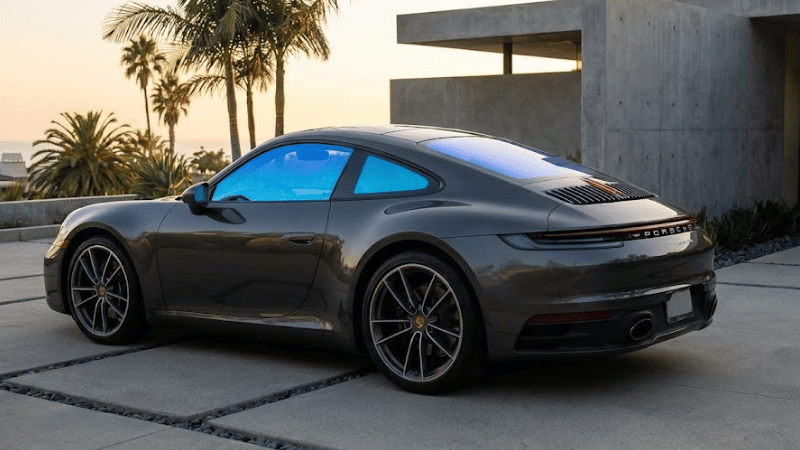
Blue window tint brings a cool-colored, high-end appearance that instantaneously uplifts the exterior of a vehicle.
Compared to the usual black or charcoal films, the blue tint adds interesting depth and character without being overly dark or reflective. This makes it a favorite tint for the owners of luxury sedans, sports cars, and electric vehicles. Make sure to estimate the cost of window tint before moving forward.
The manufacturers of EVs and luxury vehicles generally promote the idea of innovation and efficiency with understated blue accents, thus making blue window tint a natural extension of such design. The end result is a sort of sleek, futuristic design that pops while still being tasteful.
Less Glare and More Driving Comfort
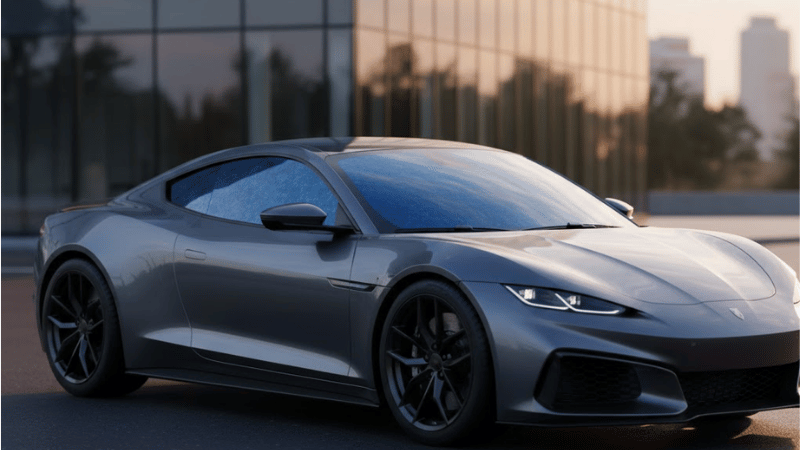
One practical reason to go with blue window tint is that it filters direct sunlight. Blue-tinted films are particularly beneficial in blocking the glare of bright skies, reflections, and low-angle sun exposure.
So, this glare reduction would go a long way toward daytime driving comfort, particularly with long commutes or distance driving. By way of lessening eye fatigue, blue window tint will keep the drivers alert and focused, leading to greater overall road safety.
Blue Tint vs. Green Window Tint: Aesthetic Differences
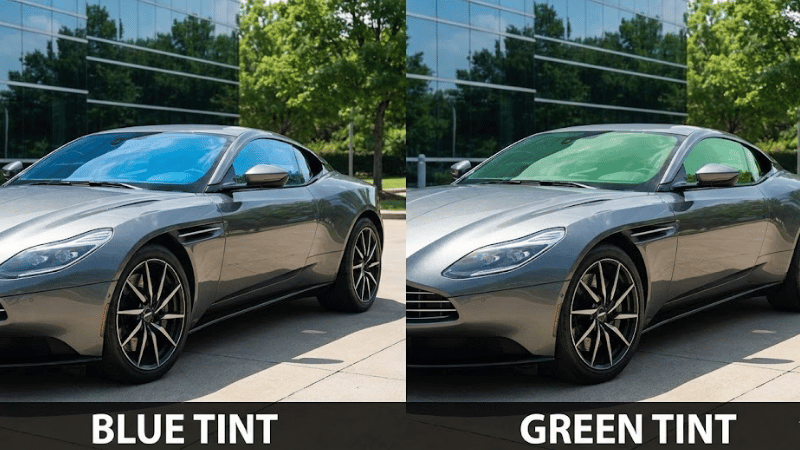
Both blue and green window tints serve the purpose of glare control and filtering UV radiation; however, they exhibit clear differences with respect to appearance and driving experience.
Differences in Visual and Color Perception
Blue window tint produces a cooler-looking exterior and makes the warm tones inside the cabin less noticeable. Green window tint, found mostly in factory glass, has an old-fashioned look but keeps the color balance natural.
Outside and Inside Experience
Blue tint looks modern and premium from the outside, while it yields more to the classic vehicle designs. Inside the cabin, a blue tint may cool color perception a little, while a green tint gives a more naturally perceived view.
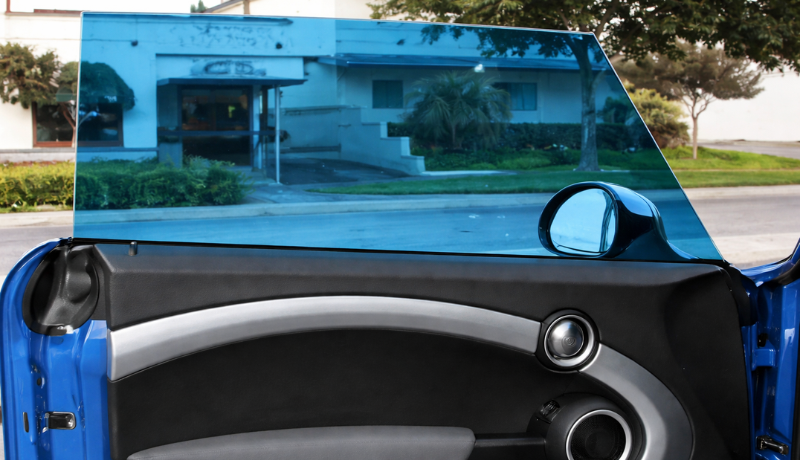
Blue Window Tint vs. Green Window Tint
While blue window tint promises to be contemporary, it stands in clear and constant comparison with green window tint, which has been a factory standard for ages. It becomes vital to understand how the two compare in terms of appearance under different lighting, performance, and driving experience.
| Feature | Blue Window Tint | Green Window Tint |
|---|---|---|
| Exterior Look | Cool, modern, premium | Traditional, factory-style |
| Interior Color Tone | Cooler, slightly neutralized | Natural, balanced |
| Reflectivity | Moderate, stylish | Low to moderate |
| Popular Vehicle Types | Luxury, sporty, EVs | Classic, sedans, SUVs |
| Glare Reduction | High | Moderate |
| Design Appeal | Contemporary | Conservative |
Advantages of Blue Car Window Tint
Blue car window tint offers comfort, protection, and a few everyday performance benefits apart from exquisite looks.
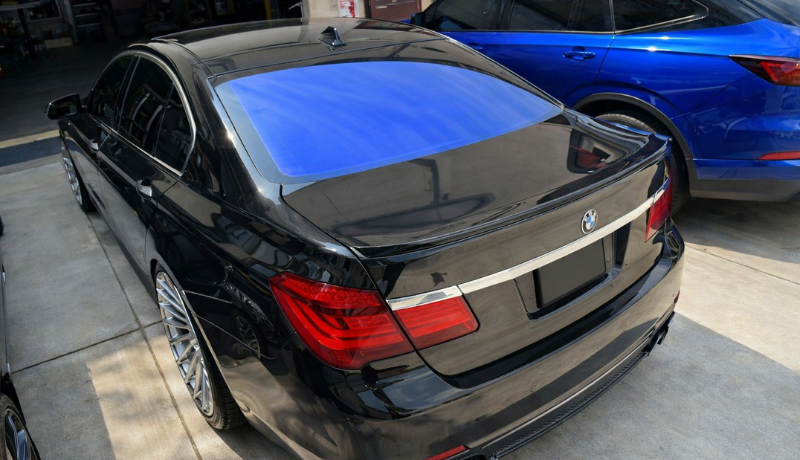
Superior UV Protection
The most significant benefit the blue window tint offers is its ability to block off harmful ultraviolet radiation. High-quality blue ceramic window tint and infrared-reflective films can block 99% or more of UV rays, thereby sparing the car’s occupants and interior materials.
According to the Skin Cancer Foundation, UV exposure through car windows causes skin damage and aging in the long term. Moreover, the blue tint lasts longer than other tints.
Thus, blue window tint protects against UV penetration, which in turn minimizes fading of the dashboard, cracking of the seats, and discoloration of the interior, all while giving added protection to the skin.
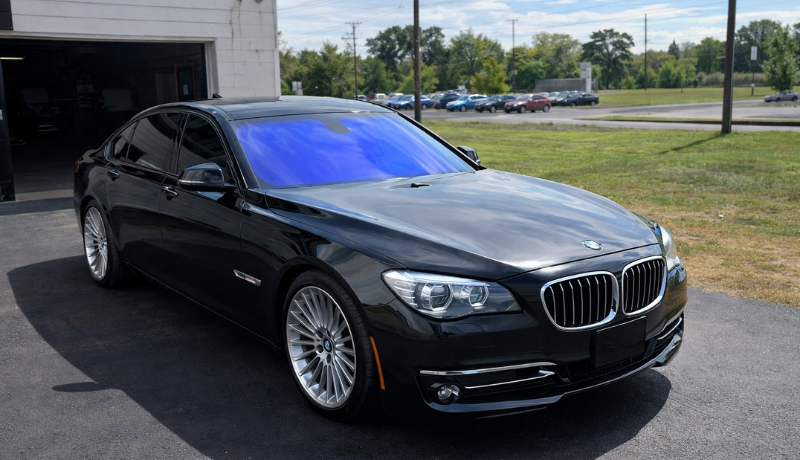
Heat Rejection and Comfort in the Cabin
The blue window tint allows thermal comfort by reflecting and absorbing infrared heat. Ceramic blue films of the latest technology work almost like magic, keeping the cabin temperature lower while darkening the glass only a little.
According to the International Window Film Association (IWFA), window films block a large part of the sun’s heat, reducing indoor temperatures. This lowers the load on air conditioning systems, leading to potential energy savings.
Privacy and Security
Blue window tint gives added daytime privacy by restricting outside view into the vehicle while maintaining visibility toward the exterior. This keeps out the unwarranted attention from the outsiders, while at the same time allowing the occupants an adequate view.
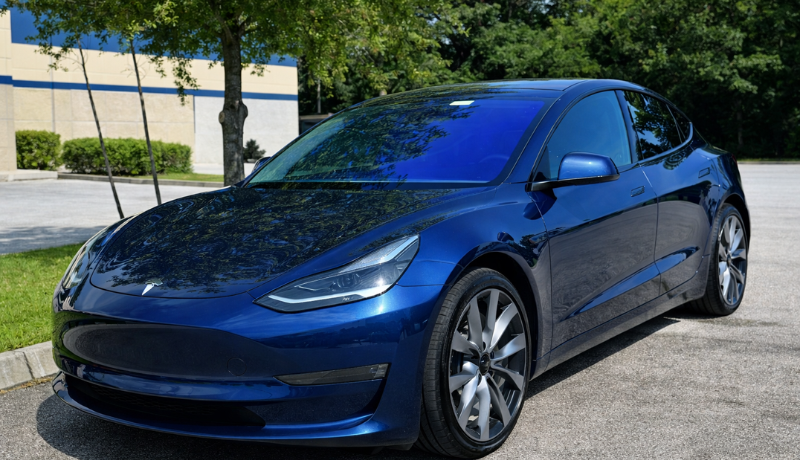
Things to Know About Blue Shade on Windshield
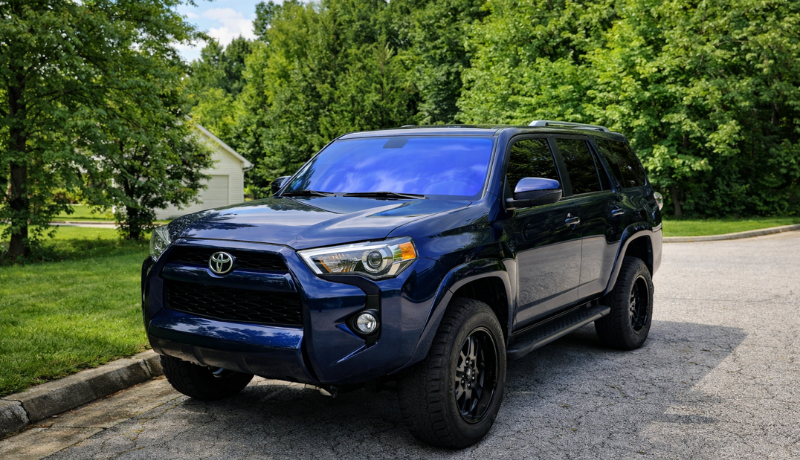
Pre-tinted from the factory, many cars come fitted with a blue windshield strip, or sun band. This blue shade is to mitigate reflection from overhead sunlight without obscuring the view of the driver.
Visibility and Glare Control
The blue shade on a windshield distracts from bright light coming near the top of a windshield, mostly around sunrise and sunset. This will improve visibility for daytime driving while relaxing the eye for day or nighttime driving. But you need careful cleaning and maintenance of the tint.
Law and Practicality
Tinting legislation for windshields differs from region to region, with much consideration given to the color darkness and placement. In most regions, only the top portion of a windshield is allowed for tinting, and a certain level of transparency must be maintained.
Drivers are always advised to check their local regulations or certified tinting professionals to know the right percentage of tint and so on before installing blue tint on their windshields.
Blue Tint Window and Visibility Considerations
While blue window tint presents a remarkable amount of style and comfort advantages, knowing how it affects visibility in different driving conditions is pertinent to feeling safe and confident during its use.
Day vs Night Visibility
During the day, blue window tint performs outstandingly in glare control and visibility sharpness. At night, lighter blue shades can be used safely, while darker blue tints may marginally impair visibility under conditions of low light.
Suitability of Dark Blue Window Tint for Everyday Driving?
If legitimately prescribed by law and put into good use with some adequate tinting technology, dark blue window tint is okay for everyday driving. However, drivers who drive at night or in dimly lit streets might prefer lighter blue shades for utmost safety.
Is the Blue Window Tint Right for You?
Blue window tint remains excellent for the type of driver who considers both aesthetic detachment and functional importance. It suits people looking for a modernized appearance with the best comfort and UV protection, unless there is so much tint that it looks ugly and dark.
But for people who work really hard to ensure optimal visibility at night or always prefer more traditional styling, a green tint might work better for them. The right tint in any case comes down to driving habits, vehicle type, and how laws work in your country or state.
Conclusion
Blue window tint strikes the perfect compromise between a modern look, comfort, and the shielding performance that today’s drivers seek. With benefits that include UV protection, glare reduction, and increased comfort inside the car. For those who want that edge but want to retain the practical aspects, blue window tint serves as a very compelling choice.
Upgrade Your Vehicle with Carlike’s Premium Blue Window Tint
Transform your vehicle with the CarlikeFilm window tint, which are engineered for style, comfort, and law compliance. With our low MOQ, high-quality products, and fast production, you can grow your business with ease. Our OEM & ODM services are fully flexible to match your brand’s needs.
Contact us now to get started!
FAQs
Q1: What are the benefits of blue window tint?
Blue window tint enhances UV protection, reduces glare, and improves cabin comfort while adding a stylish look to your vehicle.
Q2: Can blue window tint improve my driving experience?
Yes, it reduces glare, enhances privacy, and offers better comfort by keeping the cabin cooler, especially on sunny days.
Q3: Do you offer custom sizes and tint levels?
Yes, Carlike provides a range of customization options, including various sizes and tint levels. Contact us now. Our team will work with you to ensure the window tint films meet your specific requirements.
Q4: What is the minimum order quantity (MOQ) for window tint films?
Our standard MOQ is 10 rolls, but we are flexible and can accommodate smaller orders to help new customers evaluate our products.