
Carbon window tint is a popular choice for car owners seeking a balance between heat rejection, comfort, and affordability. Offering better performance than dyed films and at a lower price than ceramic options, it’s a mid-tier solution that provides value without sacrificing quality. This guide explores the pros, cons, and benefits to help you decide if it’s right for your car.
What Is Carbon Window Tint?
Carbon window tint is made by embedding microscopic particles of carbon into a durable polyester layer. Unlike the other dyed films that rely solely on colour, carbon tint uses the carbon particles to manage heat and light rays.
The carbon particles make carbon window tint more effective and durable. These particles are naturally good at absorbing infrared radiation. When sunlight hits the window, the particle layer absorbs and distributes the heat before it enters the cabin, thus helping the cabin keep cooler.

As dyed window films use organic dyes to absorb heat, they break down, especially when exposed to strong sunlight. Carbon tints, however, do not use any dyes; thus they don’t discolour and maintain their performance for years without fading.
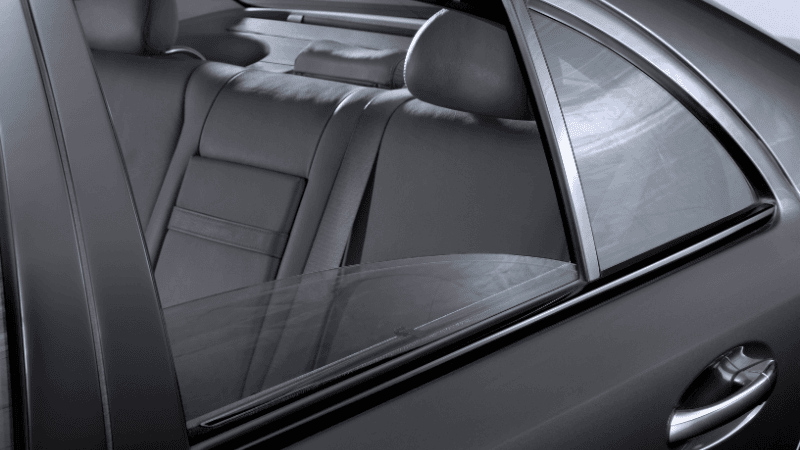
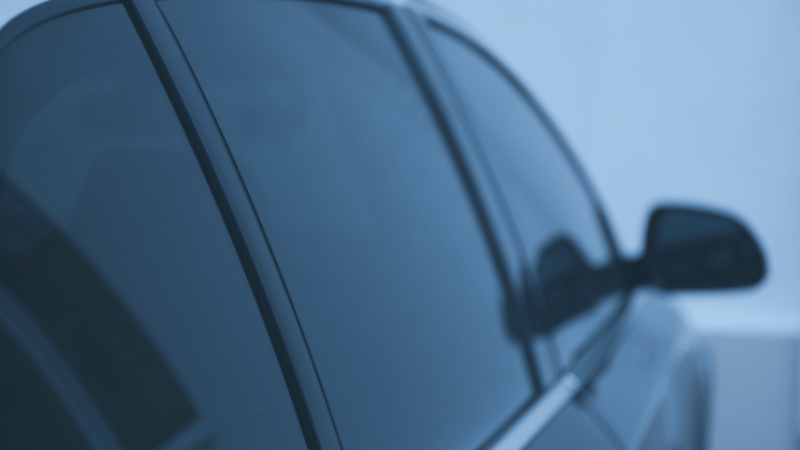
The carbon window tint has a smooth and dark appearance with a subtle matte finish. It does not create a shiny or mirrored effect, thus giving the windows a clean and natural look while enhancing privacy.
Does Carbon Window Tint Block Heat?
With the rising popularity of carbon tint, the question of does carbon tint block heat remains an important one.
In simple words, yes, carbon window tint does block heat. It is, in fact, designed to absorb a significant portion of the sun’s heat energy before it enters through the glass inside the cabin.
According to automotive authority Kelley Blue Book (KBB), high-quality carbon tints are engineered to provide up to 45% Total Solar Energy Rejection (TSER). This significant reduction in solar heat transfer helps keep vehicle interiors cooler and reduces the strain on your air conditioning compared to standard dyed films.

Infrared radiations make up the major portion of the sun’s energy that causes the interior temperature to rise. Carbon window tint with its microscopic carbon particles absorbs a portion of IR heat beforeit enters the cabin. When partnered with air conditioning, these tints offer excellent heat rejection.
Ultraviolet rays can damage the skin. Carbon films are designed to block around 95-98% of harmful UV rays, protecting both the passengers and the cabin from the harmful effects of UV rays.
The table below will help you understand how much carbon tint reduces interior heat:
| Feature | Reduction |
|---|---|
| Infrared (heat) rejection | ~40–50% of IR heat blocked |
| UV protection | ~95–98% of harmful UV rays blocked |
| Interior temperature drop | ~7–10°F cooler than untinted glass |
When talking about how much heat a carbon window tint blocks as compared to the other tint options, we can say that the carbon tint blocks more heat than the dyed tint. Dyed tints typically block only about 15 to 25% of heat, offering limited interior cooling.
When comparing with ceramic tint, we can say that the ceramic tint provides the highest heat rejection among all window tint types. Premium ceramic films can block typically 50-75% IR heat, and sometimes even higher, depending upon the quality of the film.
Both carbon and ceramic films usually provide excellent UV protection, but ceramic films are typically better at heat rejection and are more durable.
The Pros of Carbon Window Tint
Some of the pros that help answer the question “Is carbon window tint good option for vehicle owners?” include:
Better Heat Rejection Than Dyed Tint
Tinting is mostly done to make the interiors comfortable. Carbon window tint absorbs a significant portion of infrared heat, making the cabin cooler than the basic dyed film.
No Signal Interference (GPS, phone, radio)

As carbon layers do not contain any metal layers, they do not block or interfere with the electronic signals like GPS navigation, mobile phones, and radio reception. The no signal interference makes them a further popular option among vehicle owners.
Fade-Resistant Colour Stability
As carbon tint uses carbon particles, they do not discolour. However, dyed films do discolour over time when exposed to strong sunlight.
Affordable Upgrade from Entry-level Tint
Carbon window tint is a cost-effective choice for users who want better heat control and durability. Ceramic options cost much more and thus are not feasible for those with a reasonable budget.
Clean, Non-Reflective Aesthetics
The carbon film provides a matte appearance without being too shiny or mirrored, giving windows a sleek and natural look while maintaining privacy.
The Cons of Carbon Window Tint
The cons associated with carbon window tint include:
Lower Heat Rejection Than Ceramic Tint
While carbon window tint blocks a significant amount of heat, it still cannot match the level of heat rejection offered by ceramic film in extremely hot weather.
Thicker Film May Limit Clarity In Very Dark Shade
Carbon tint is slightly thicker than dyed film, and when applied in a very dark shade, it can reduce visibility, making it hard to drive, especially at night or in low-light conditions.
Fewer premium features (No IR Nanolayers)
Ceramic window tint has advanced infrared nanotechnology, whereas carbon tint lacks this technology. The limited premium features make it less appealing than ceramic car window tint films.
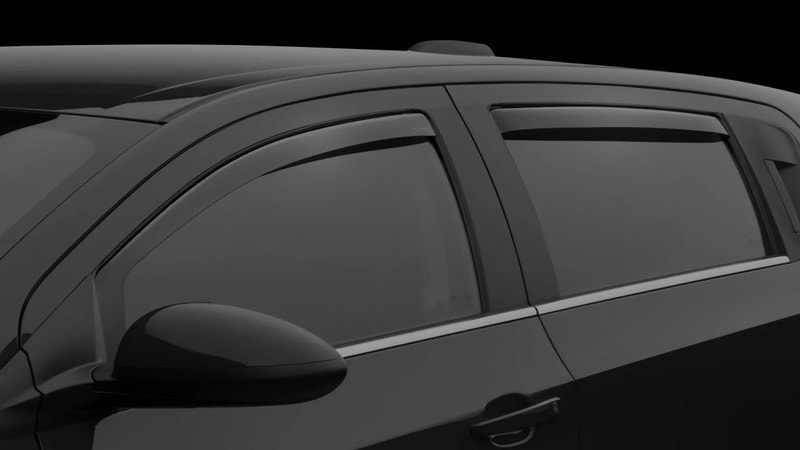
Is Carbon Tint Good for Daily Driving?
When upgrading from dyed tint to carbon tint, fleet owners often question whether the option is suitable for their driving conditions. For an everyday driver in cities with moderate temperatures, carbon window tint, by blocking a significant portion of heat, is a practical choice.
In city traffic with multiple stops, carbon tint can absorb IR rays and prevent the cabin from getting too hot. For long highway drives in summers, ceramic tint might block more heat overall, but carbon tint also does a good job.
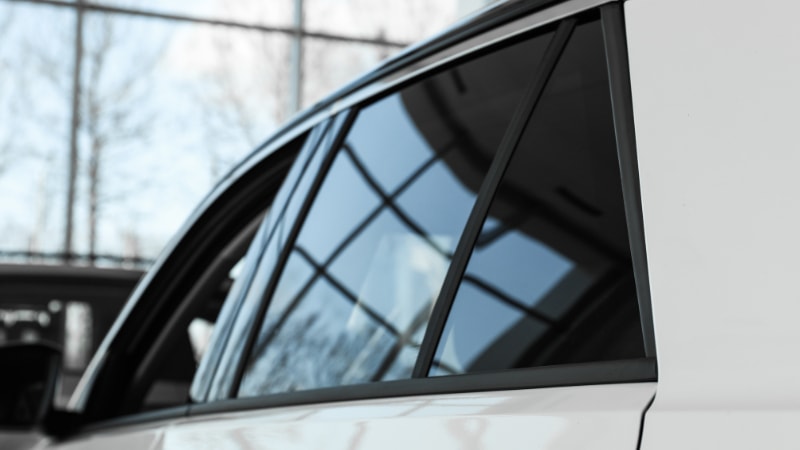
To put in simple words, we can say that daily commuters who want better heat rejection than dyed film without having to spend a lot of money should go for carbon window tint. Similarly, drivers in moderate climates, and those who want a signal-free tint with a matte look, should go for carbon window tint.
Whereas drivers driving in very hot and sunny regions should go for ceramic tint.
Carbon Tint vs Ceramic Car Window Tint
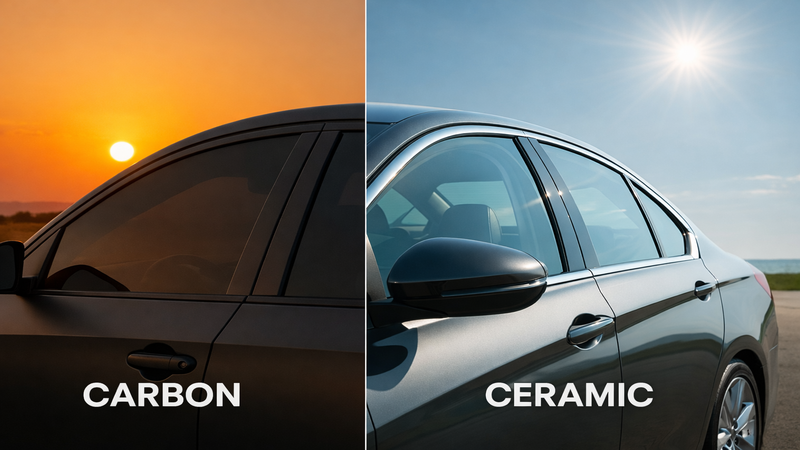
If you are thinking of upgrading from ceramic tint to carbon window tint, it is important to understand how they differ in terms of heat rejection, cost, performance, and durability.
Carbon window tint offers moderate heat rejection, typically blocking around 40 to 50% of IR rays. However, ceramic tint can reduce 50 to 80% of infrared heat. Thus, in terms of heat rejection, ceramic window tint is better.
When it comes to price and cost, carbon tint are expensive than basic dyed films, but more affordable than ceramic tint. Ceramic window tint is a premium option, costing more, but the long-term excellent benefits offered justify the higher cost.
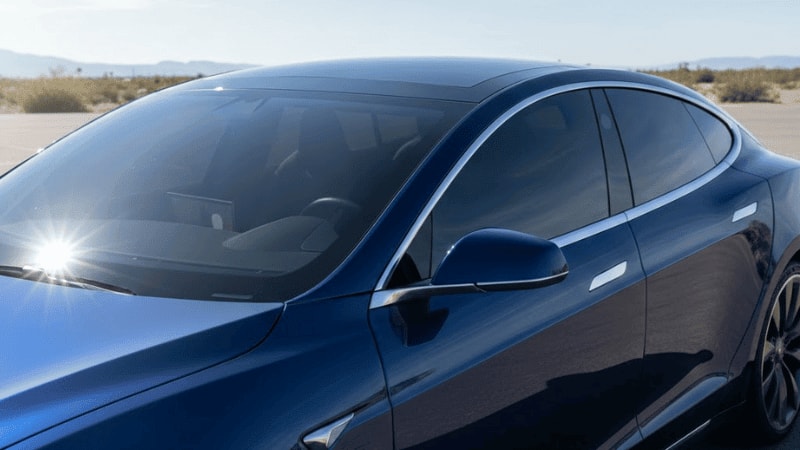
When answering how long does window tint last, we can say that carbon tint has a lifespan of 5 to 10 years. However, ceramic window tint lasts longer, around 10 plus years.
To sum up, we can say that if you drive in a very hot climate or you plan to keep your vehicle for many years, then you should go for ceramic tint. The table will help you better understand the comparison between carbon vs ceramic tints:
| Feature | Carbon Tints | Ceramic Window Film |
|---|---|---|
| Infrared Heat Rejection | ~40–50% IR blocked | ~50–80%+ IR blocked |
| Interior Cooling | Moderate, noticeable improvement | Superior cooling performance |
| Price Range | Mid-range | Premium |
| Cost | Lower cost | Higher cost |
| Durability / Lifespan | ~5–10 years | 10+ years |
| Fade Resistance | Very good | Excellent |
| Clarity & Comfort | Good, matte appearance | Excellent clarity and comfort |
| Best For | Daily drivers, moderate climates | Hot climates, long-term ownership |
Maintenance Tips for Carbon Window Tint
To reap all the benefits of window tint, you need to maintain it properly. Some of the maintenance steps that will help you protect your window tint from fading include:
- Allow Proper Curing Conditions
- Use Ammonia-Free Cleaners
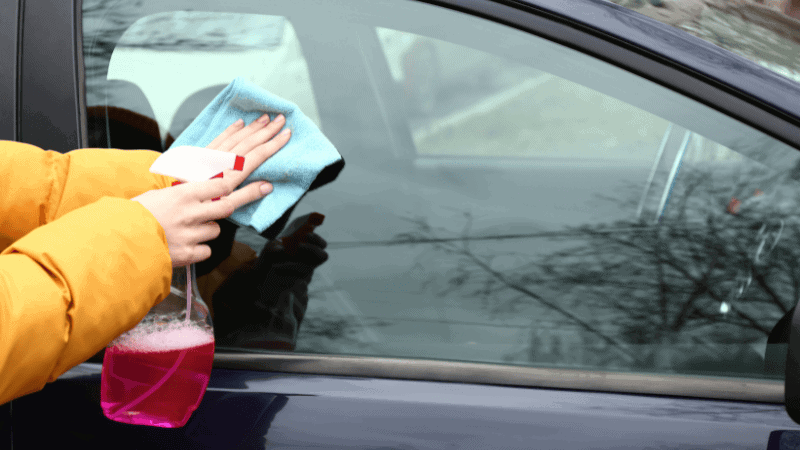
- Clean with Soft Microfiber Cloths
- Avoid Abrasive Tools and Materials
- Park in Shade When Possible
- Inspect Edges Periodically
Conclusion
Based on all the discussion above, we can say the carbon tint is a mid-range option for all the DIYers and professionals looking to tint their windows. Carbon car window tints offer better heat rejection and durability than dyed tints, but they lack some of the premium features of ceramic window tint.
For drivers seeking comfort and durability at an affordable cost, carbon window tint film is ideal. No matter whether you choose metallic tints, dyed tints, carbon tints, or ceramic window tint, always opt for a reliable supplier such as Carlike.
Invest In High-Quality Window Tints With Carlike Films Now
Carlike film is your trusted partner for all window tinting requirements. Our low MOQ requirements, high-quality products, flexible OEM and ODM services, exceptional customer service, and lightning-fast shipping make us reliable.
Contact us today and get a bulk quote now.
FAQs
Q1: Does carbon window tint block heat effectively?
Yes, carbon window tint offers superior heat rejection by blocking infrared rays, reducing cabin temperature and improving comfort during hot days.
Q2: How long does carbon window tint last?
Carbon window tint is highly durable, maintaining its color stability and performance for 5–10 years, even in harsh weather conditions.
Q3: What is the minimum order quantity (MOQ) for window tint films?
Our standard MOQ is 10 rolls, but we are flexible and can accommodate smaller orders to help new customers evaluate our products.
Q4: Can I get samples before placing a bulk order?
Yes, Carlike offers samples so you can assess the quality and performance of our window tint films. Contact us now with your sample request, and we’ll arrange prompt delivery.