
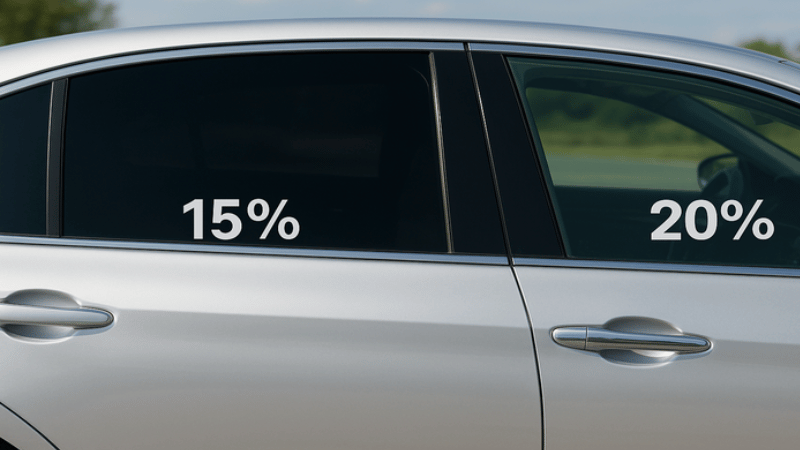
15% and 20% window tint films are popular options among tint professionals. They look the same as they’re both dark, but in reality, they perform differently. This article provides a detailed comparison of 15 vs 20 tint. Read it to choose the right car window tint.
What Do 15% and 20% Tint Actually Mean?
If you are not very familiar with tinting, then the VLT percent is sure to confuse you. VLT (Visible Light Transmission) is the industry-standard metric defined by the International Window Film Association (IWFA) to measure the amount of visible light
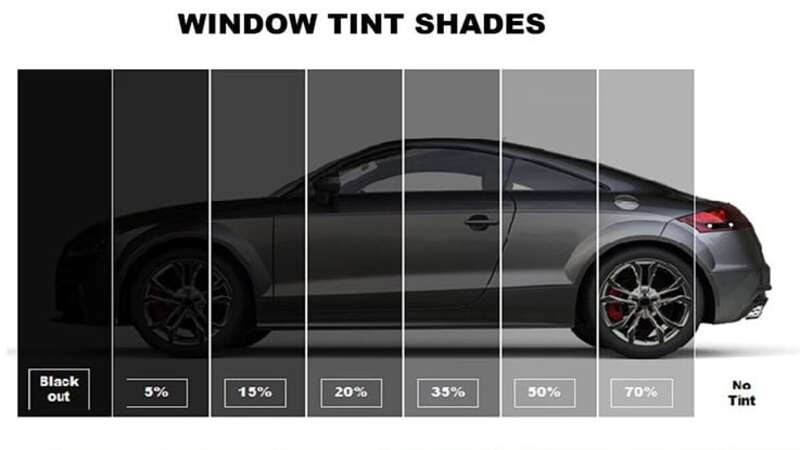
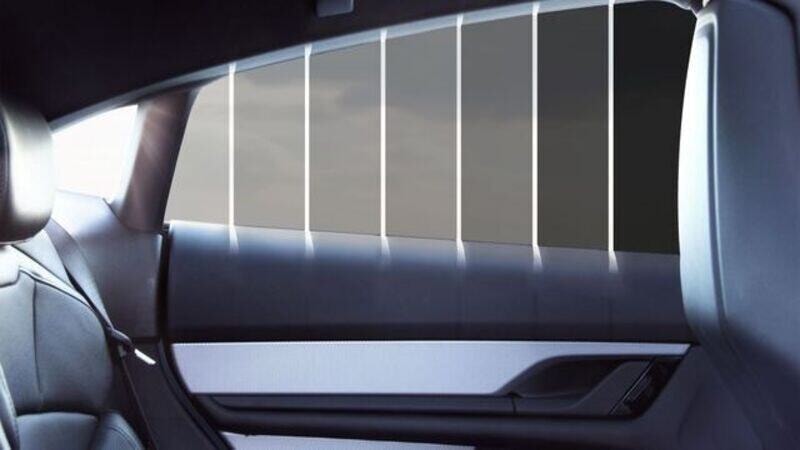
The higher the VLT percent, the lighter the tint, and the more light enters the cabin. Similarly, the lower the VLT percent, the darker the tint is, and the less light enters the cabin, offering better privacy.
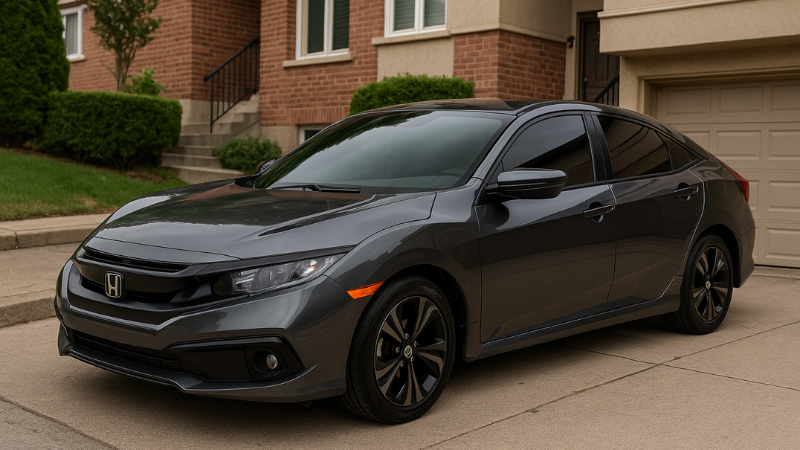
The tint with a VLT of 15% means it allows only 15% of light to pass through the window, while a 20% car window tint allows only 20% to pass through the vehicle. Thus, a tint with 15% VLT provides more privacy and is darker than one with 20% VLT.
Many drivers and car owners consider a 5% difference ordinary, but it is essential to note that both tints behave differently in real-world driving conditions.
Side-by-Side Comparison: 15% vs 20% Tint
A table comparing the 15 percent and 20 percent tint on a car across different features is provided below. Read the table to choose the right tint as per your requirements and preferences:
| Feature | 15% Tint | 20% Tint |
|---|---|---|
| Darkness | Darker | Slightly lighter |
| Daytime privacy | Excellent | Very good |
| Night visibility | Reduced | Safer at night |
| Heat rejection | High | High |
| Appearance | Sleek, limo-like | Clean, sporty |
| Legality | Often illegal | More widely legal |
Aesthetic Differences
Its 2025, and aesthetics cannot be compromised. From choosing the car to selecting the window tint film, ownersprefer options that look sleek and stylish. The differences between the 20 and 15 tint on the car in terms of their looks are mentioned below:
15% Tint Appearance
A 15% tint is known for giving the vehicle a bold, dramatic, and stealthy look. It is dark, instantly changing the car’s appearance. The owners of black cars, sports cars, and SUVs choose the 15 percent tint to enhance their vehicles’ appearance.
One significant benefit of this tint is that it creates a high contrast between the car’s body colour and its windows. Lighter vehicles with 15 percent tinted windows achieve a striking dark-glass effect, whereas darker vehicles achieve a sleek appearance.
20% Tint Appearance
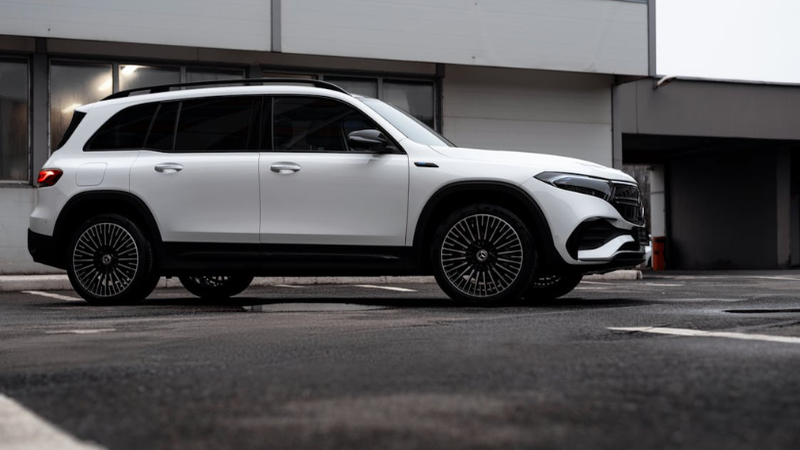
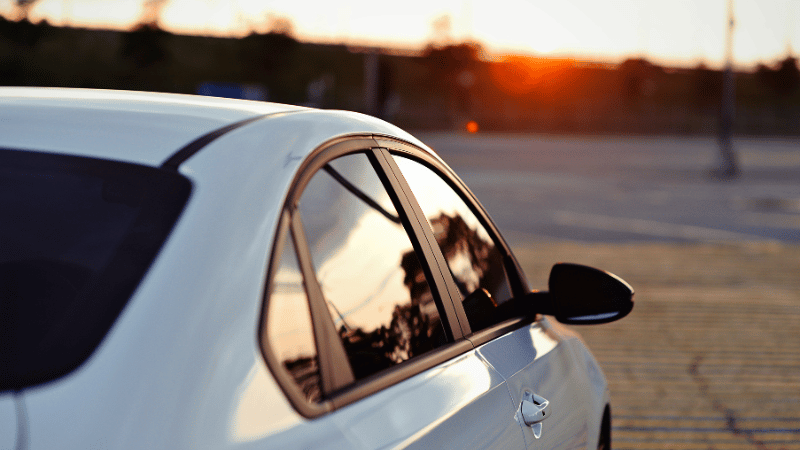
The 20% tint delivers exceptional visibility without being too dark; it offers a natural, refined, and balanced look. The tint significantly enhances the vehicle’s style.
A 20% tint closely resembles the OEM privacy glass that many SUVs come with. Owners who want their cars to look original, not modified, go for this tint mostly.
Sedan and electric vehicles mostly use this VLT tint, as it offers a clean, modern finish. To sum up, a 20% tint provides privacy without being too dark, making it safe for nighttime driving.
Privacy & Security Comparison
Window tinting is primarily done to maximise privacy and enhance security. The VLT percent significantly affects the privacy level provided by the tint. A comparison between 15% and 20% tint based on privacy and security is given below:
15% Tint
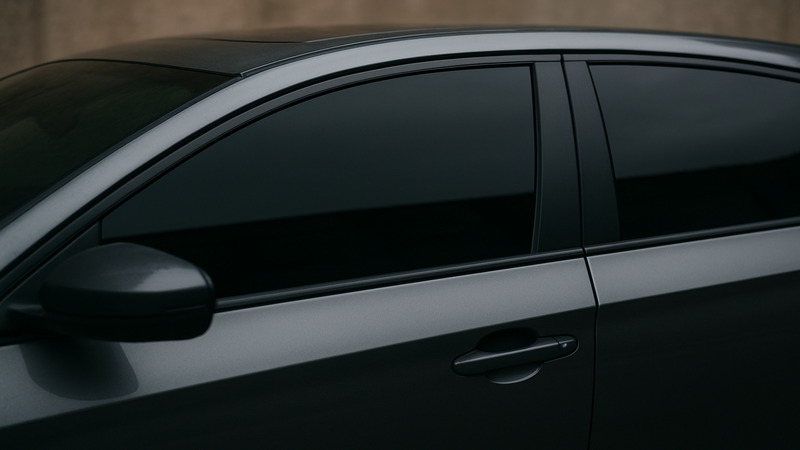
A 15 percent tint on car windows offers maximum privacy. Allowing only 15% of visible light to enter the vehicle, it makes it harder for outsiders to see inside. Security vehicles, commercial vehicles, and owners who want maximum privacy opt for 15% VLT tint.
However, this darker tint makes it harder for drivers to see the road, especially at night. While it offers the maximum privacy level, this tint is usually illegal due to safety concerns.
20% Tint
A 20% tint offers good privacy while offering more visibility than a 15% tint. This VLT percent is a good choice among owners who want to balance privacy with visibility. This tint lets you drive safely, especially at night or in low-light conditions.
With its striking balance between privacy and visibility, the 20% tint is gaining popularity among daily drivers and family car owners.
Heat, UV & Glare Rejection
Sun, UV rays, and glare can discolor and damage a car’s cabin. In fact, the Skin Cancer Foundation recommends window film as part of a comprehensive sun protection program, as standard auto glass does not block all UVA rays.
Window tinting can provide UV protection, thus protecting the interior and keeping it in better condition for longer.
For car owners and DIY tint installers, it is essential to understand that tint darkness is not equal to heat reduction. While darkness (VLT) affects privacy, Total Solar Energy Rejected (TSER) is the true metric for heat control. It combines UV, Visible Light, and Infrared rejection into one number.
20% Tint (High-End Ceramic): Can offer a TSER of ~60-65%.
15% Tint (Standard Dyed): Typically offers a TSER of ~40-44%.
A lighter 20% Ceramic tint can actually keep your car cooler than a darker 15% Dyed tint. Always check the TSER rating on the spec sheet before buying.

There are different types of window tints, and among them, ceramic tint offers the best heat reflection. By blocking a high percentage of sunlight and UV rays, it is a top choice for comfort and interior protection.
When it comes to glare reduction, darker shades make a difference; a 15% window tint offers more glare reduction than a 20% tint, making daytime driving a bit easier and reducing the risk of headlight glare-related accidents.
Simply put, if you want to control heat, then you should prefer film quality over VLT percent. However, if your goal is privacy and glare reduction, then darker shades are the best choice.
Visibility & Driving Safety

Safety while driving should not be compromised. You should always choose the tint option that offers the highest level of protection. 15% and 20% tint differ in terms of visibility and driving safety.
15% Tint
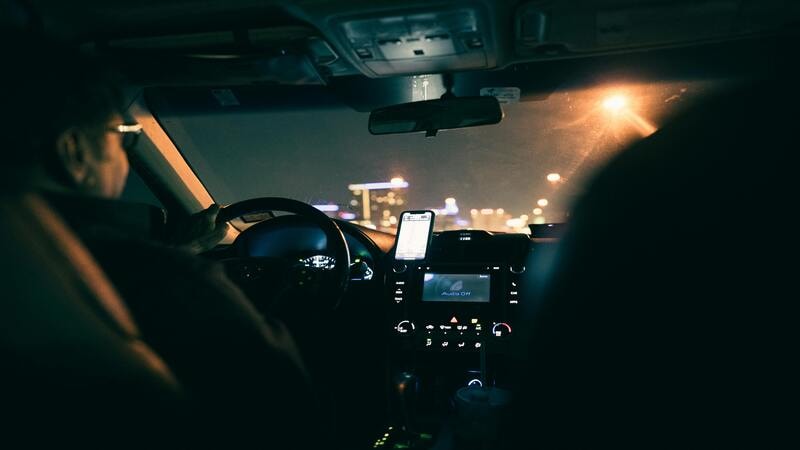
A 15% tint is considered a darker tint, and by allowing only 15% of light to enter the car, it can significantly reduce visibility, making it harder for drivers to see clearly, especially at night. For new drivers and those with poor vision, the limited light visibility can be riskier.
When applied to the rear window, this tint makes it harder to see out while reversing. Given these conditions, 15 tint is not recommended for drivers who often drive at night.
20% Tint
Allowing 20% of light to enter the car, a 20% window tint is considered more practical for both daytime and nighttime driving. This window tint is safe for driving in rain and in rural areas. Although secure, a 20% window tint is still illegal in many states.
Legal Considerations
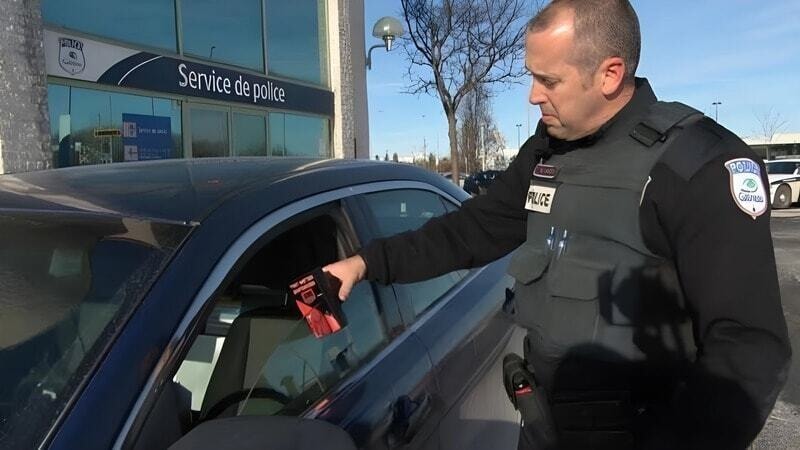
The laws for window tinting percentages vary from state to state. You need to abide by local laws to avoid traffic fines and violations. The legal limit usually depends on the window tinted and the type of vehicle.
- Many states allow only a small strip of tint on the windshield.
- Many states allow 20% tint on rear windows, and 15% tint is allowed only under specific conditions.
- Front windows are less commonly allowed to have 15–20% tint.
- In some states, SUVs may have darker rear windows than sedans.
In Colorado, front windows should have a tint with aminimum VLT of 27%; similarly, rear side windows should also allow 27% of light to pass through. In Florida, backside windows can have a VLT of 15%, but frontside windows should allow at least 28% light to pass through.
Window tinting laws also vary by vehicle type. For instance, a limousine may be allowed to use a limo tint – the one with 5% VLT- but sedans and SUVs are not allowed to use it.
15 vs 20 Tint: Which Tint Should You Choose?
While both the 15 and 20 tint options offer privacy and enhance the vehicle’s appearance, you need to choose the one that aligns with your personal preferences and your state’s laws.
Choose 15% Tint If You Want
A 15% window tint is your go-to option if:
- You want maximum privacy.
- You want to give your vehicle a bold and stealthy look.
- You only want to tint the rear windows in the darker shade.
- You don’t drive much at night and in the rain.
Choose 20% Tint If You Want
You can choose a 20% tint due to the following reasons:
- It offers better visibility, especially at night.
- It is a balanced tint for daily driving.
- It is legal in many states.
- It provides a cleaner and OEM-style look.
Conclusion
To sum up, a 15% tint is darker and offers more privacy, while a 20 percent tint on car tint is safer for daily driving. You need to choose the tint based on your preferences. However, a general recommendation is to opt for a 20% tint as it offers better visibility and is legal in multiple states.
Regardless of the tint option, choose a reliable supplier to reap the long-term benefits of window tinting.
Buy High Quality Tint Now – Contact Us For A Bulk Quote
Carlike Film, with years of experience in manufacturing high-quality products, stands ready to assist you with all your window tinting requirements. Our low MOQ, flexible OEM & ODM services, rapid production and 24/7 customer support make us your go-to partner.
Contact us today and get a custom bulk quote tailored to your requirements now.
FAQs
Q1: What’s the main practical difference between 15% and 20% VLT?
15% tint is slightly darker, offering a bit more privacy and heat rejection. 20% provides a near-identical sleek look with marginally better interior visibility at night, making it a popular balanced choice.
Q2: Which tint is better for heat and UV protection?
Both offer excellent protection, blocking over 99% of harmful UV rays. The difference in heat rejection is minimal (typically 1-3%), with 15% having a slight edge due to its lower visible light transmission.
Q3: Why should I consult a professional instead of choosing myself?
Our experts assess your vehicle, local laws, and priorities (privacy vs. visibility) to recommend the perfect option. We provide premium films and 24/7 customer services, so your choice will look great and performs perfectly.
Q4: What is the minimum order quantity (MOQ) for window tint films?
Carlike’s standard MOQ is 10 rolls, but we are flexible and can accommodate smaller orders to help new customers evaluate our products. Contact us now to know more!