
What is the darkest window tint? Popular for privacy, heat reduction, and style, tint darkness is measured by VLT—the visible light transmitted through glass. Discover how dark you can safely go while maintaining visibility and staying legal. Get the clear answers you need right here.
What is the Darkest Window Tint?
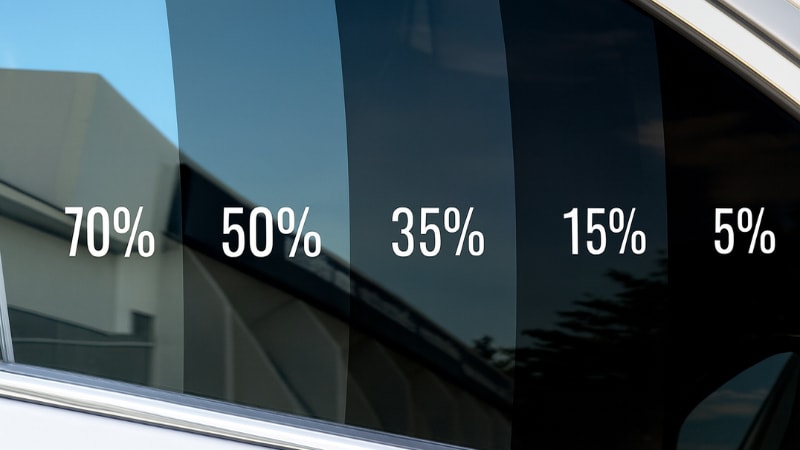
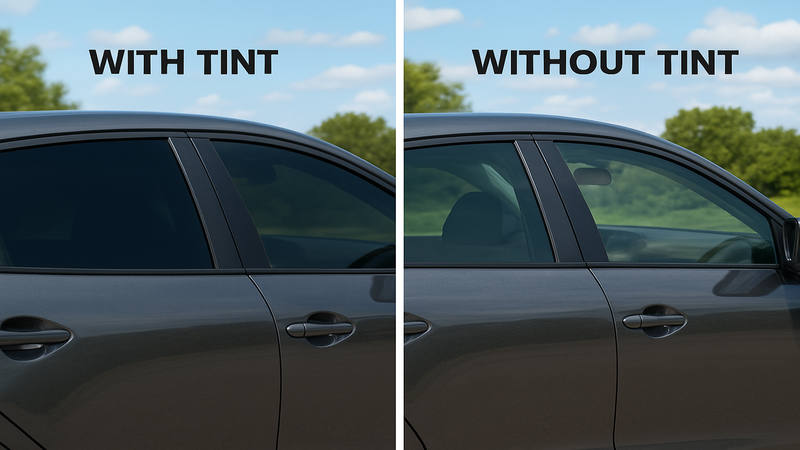
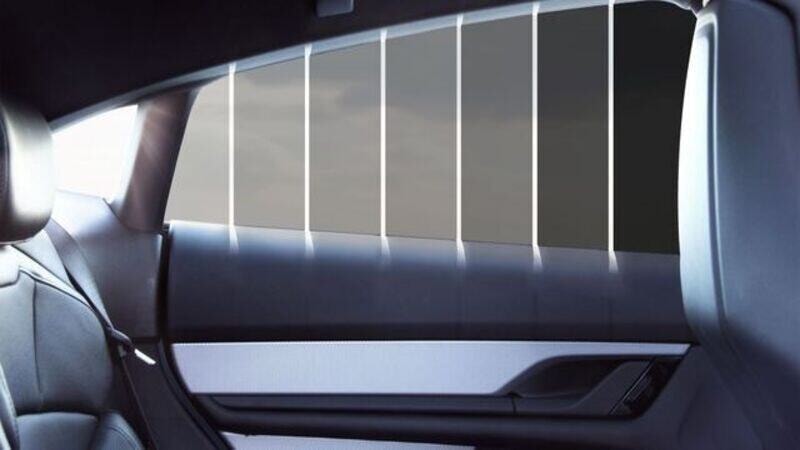
Visible light transmission (VLT) measures the amount of light that passes through the window tint. A low VLT indicates a darker film and less visibility, whereas a higher VLT means that more light can pass through the window, thus a lighter tint and clearer visibility.
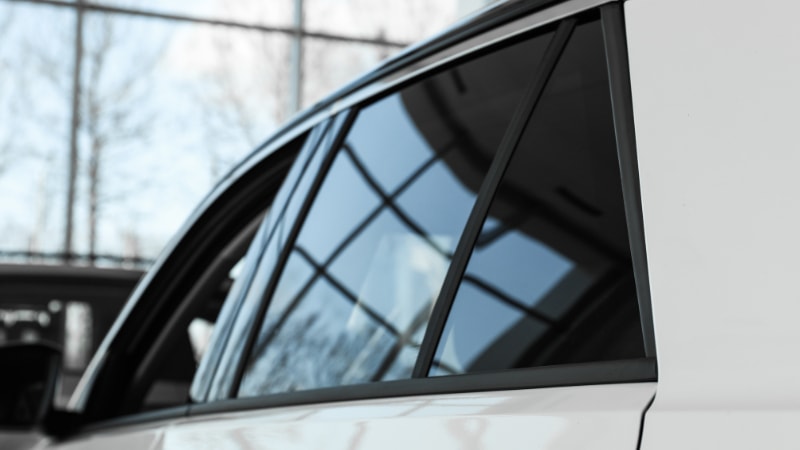
The tint with VLT 5% isthe darkest car tint; it allows only 5% of light to pass through and is referred to as limo tint. The tint with a 20% tint offers the best privacy while offering more visibility compared to the limo tint.
Tint with 35% VLT is legal in many places as it is lighter and balanced, and reduces glare and heat effectively. A table comparing different VLT percentage is given below:
| VLT % | Privacy | Light Transmission | Safety | Use Case | Legal |
|---|---|---|---|---|---|
| 5% | Very High | Very Low | Low | Limos, security, private cars | Often illegal |
| 20% | High | Low | Moderate | Daily driving with strong privacy | Legal in some states |
| 35% | Medium | Medium | High | Balanced privacy & visibility | Legal in most states |
Note: The darker the tint, the higher the privacy level and the lower the visibility.
What Is the Darkest Tint You Can Get?
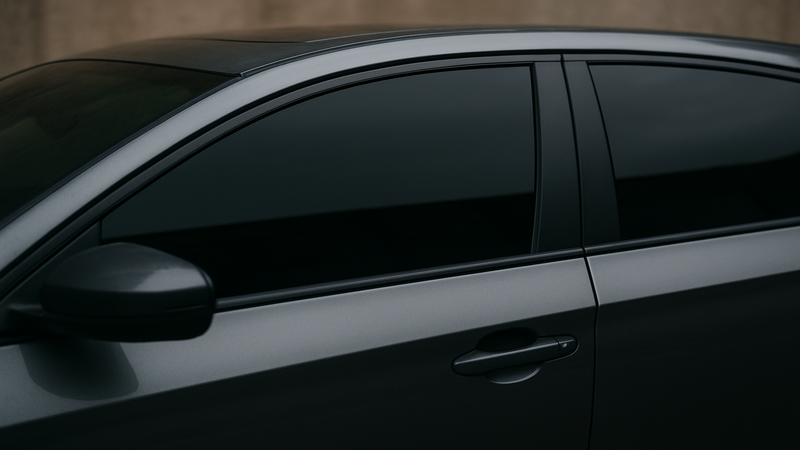
The darkest tint you can get is the one with a VLT of 5%; this tint is also referred to as the limo tint. It allows only 5% of visible light to pass through, making it extremely dark.
From the outside, the tint appears to be completely black, offering the highest level of privacy. But from the inside of the cabin, the tint makes it very dim and difficult to see clearly, especially at night or in low light.
5% window tints are often found in limos for maximum privacy, in private vehicles where dark aesthetics are required, and in commercial or security vehicles to minimise visibility from outside.
Despite the highest level of privacy and sleek look, this darkest tint makes it extremely hard to drive at night time or in the rain. The reduced visibility makes this unsafe for daily use and an illegal tint on front windows in many regions.
Dark Tint Pros & Cons
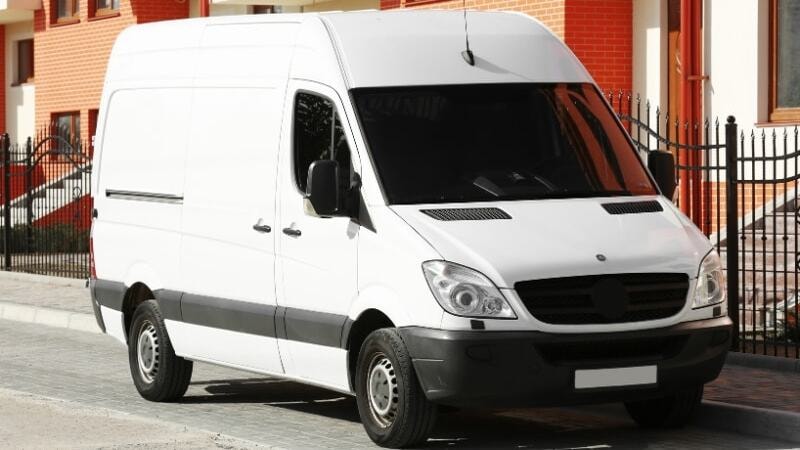
The pros and cons associated with dark tints are mentioned below; read on to make an informed decision.
Pros
The pros associated with choosing a dark tint are:
- Excessively dark window tints make it impossible for outsiders to see inside the vehicle, thus offering the highest level of privacy.
- By blocking heat and UV rays, the dark tints keep the cabin cool and offer protection against harmful UV rays.
- Darker tints eliminate harsh sunlight, UV light,and headlight glare.
- Dark tints are best known for giving the car a modern and sleek look.
Cons
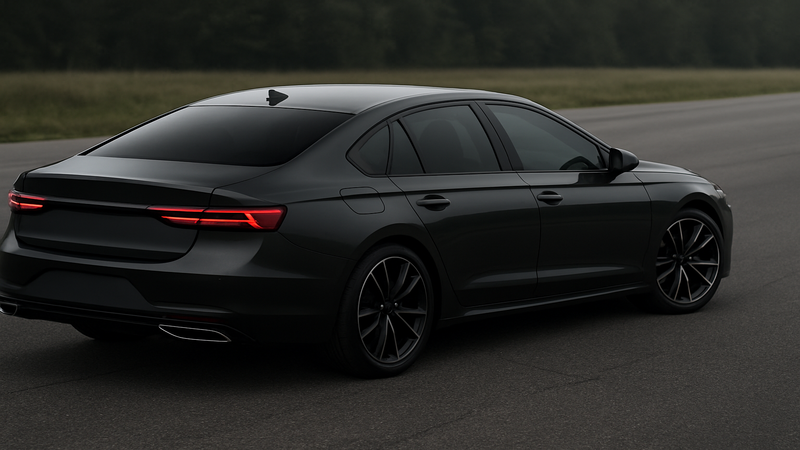
The cons that make dark tint an unfavourable choice include:
- Dark tints make it difficult to see the road, especially at night.
- Limited visibility increases the chance of accidents.
- Dark tints may go against the law in some regions.
What Is the Darkest Tint That Is Still Safe for Driving?
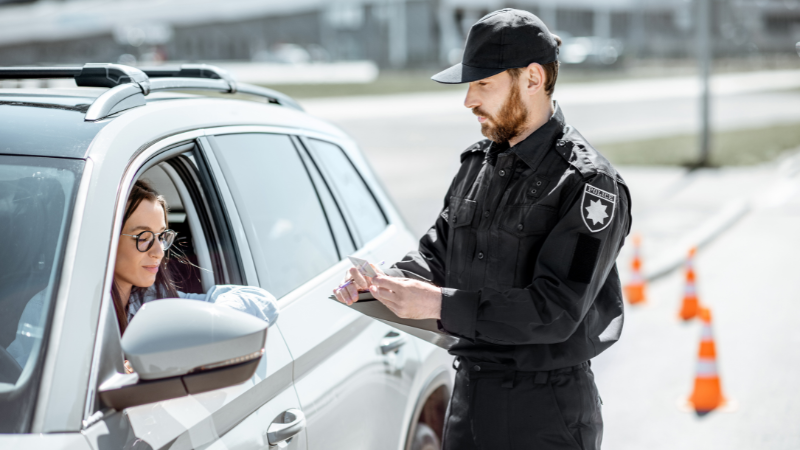
Safety while driving is important, and choosing a tint that does not compromise driving safety is significant. The window tints with VLT of 20%, 35%, and 50% fall within the safety range.
The 20% window tint film offers the strongest privacy while being safe; the 35% window tint provides the best balance of visible light and privacy, and is legal in many states. The 50% window tint offers the best visibility while reducing glare.
The 20–35% VLT is the sweet spot as it balances privacy, heat/ sun glare reduction, and safety. The window tints in the 20–35% VLT range are ideal because:
- They allow enough light for safe driving at nighttime or in low-light conditions.
- They maintain clear side and rear visibility and reduce blind spots.
- The ceramic tint blocks heat and UV rays effectively, which can cause skin cancer.
- Compared with tints with 5% VLT, these tints minimise the risk of accidents.
Types of Window Tints
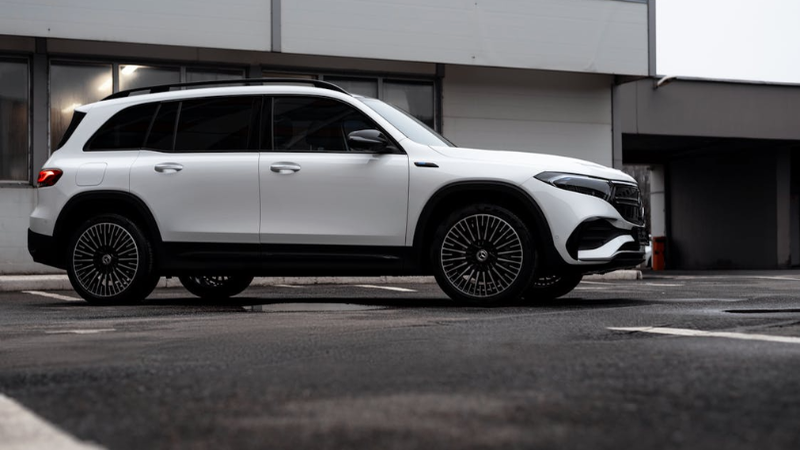
There are different types of window tints, and each behaves differently at dark visible light transmission levels. Mentioned below are the types and their behaviour:
Ceramic Tint (Best for Dark Tint Safety)
The ceramic window tints offer high heat rejection, even with lighter VLT. They offer better visibility at night compared to dyed window tint films. Lastly, they are non-reflective, hence reducing sun glare for both the driver and other road users.
Carbon Tint
Carbon tints offer a good balance of cost and performance and offer effective heat and UV rejection. Being non-reflective, these tints reduce glare. They maintain the colour over time, hence are durable, making them a better option for everyday use.
Dyed Tint
Dyed tints are the cheapest tint option available in the market. These tints offer poor night visibility, hence are not safe. Additionally, they fade faster, making them unreliable for the long run.
Metallic Tint
Metallic tints offer good heat reduction, helping keep the cabin cooler. However, they may interfere with GPS, radio, or other electronic signals due to the metal particles in the film.
Comparison Table
A side-by-side comparison of these tints is provided in the table below, to help you choose the one that best meets your needs:
| Tint Type | Privacy | Light Transmission | Affordability | Longetivity |
|---|---|---|---|---|
| Ceramic Tint | High | Excellent | Moderate - High | Very High |
| Carbon Tint | Medium - High | Excellent | Moderate | High |
| Metallic Tint | Medium | Good | Moderate | High |
| Dyed Tint | Medium | Poor | Low | Low |
Is the Darkest Window Tint Legal?
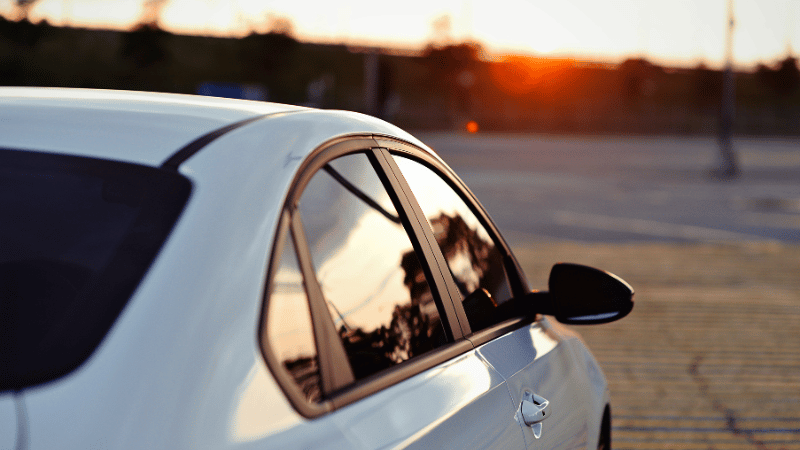
Legal limits for window tints differ by state and country. It is important to consider the legal regulations in your state to avoid traffic fines.
In many U.S. states, the front side window must allow 35% of visible light to pass through, whereas the rear window can be darker, down to 20% VLT. For the windshield, the law allows only a small tinted strip at the top.
In California, 70% VLT is allowed on front windows, while Texas only allows 25% VLT on front side windows. Florida’s legal system lets you use 28% VLT on the front side windows, 15% on the back and rear side windows. In Colorado, the front side windows should have a minimum 27% VLT.
Similarly, in Hawaii, 35% VLT is required for front, back, and rare windows. Alaska allows 70% VLT on front side windows, and 40% on back and rear windows. Georgia requires 32% VLT on front, back, and rear windows.
These laws indicate the 5% tint is usually illegal on front windows and is mainly used only on limos or private/rear-only applications. Make sure to check your state’s specific laws before choosing a dark tint, as non-compliance with regulations can result in hefty fines.
Conclusion
The darkest window tint offers the highest level of privacy and may look stylish; however, it often compromises safety and does not provide optimal visibility. While choosing any tint, make sure to balance privacy and visibility to get the advantages of tinted windows while being safe.
While in the market choosing the tint, make sure to choose the legal window tint options and always opt for the right supplier.
Get Your Dream Window Tint – Contact Carlike Now!
At Carlike film, we offer the premium window tint options. Our low MOQ requirements, lightning-fast production and delivery, and excellent 24/7 customer service allow us to satisfy our clients completely.
Contact us for a bulk quote! Get the advantage of our flexible OEM and ODM services now.
FAQs
Q1: Is the darkest tint the best choice for my car?
Darkest tint may risk safety and legality. Our advanced ceramic tints in moderate shades offer superior heat/UV protection and privacy without compromising visibility.
Q2: How can I avoid legal issues with dark tint?
We guarantee compliance by analyzing local laws and your vehicle to recommend the darkest legal tint that meets your needs, ensuring both style and safety.
Q3: Is the darkest tint the best for heat and UV protection?
Not necessarily. While darker films reduce glare, modern ceramic or carbon tints in lighter shades can block up to 99% of UV rays and significantly reduce heat without compromising visibility or legality.