
Nano ceramic vs. ceramic window tint is a top question for car owners seeking real heat rejection. As demand for premium, non-metal window films grows, these two options lead the market. This guide compares their key differences and real-world performance to help you choose with confidence.
What Is Window Tint Film and Why Does It Matter
Window tint film is a thin, multi-layer material applied to vehicle glass to reduce heat, block harmful UV rays, and minimize glare. Modern window tints improve driving comfort, protect interiors from fading, and enhance privacy, making them an essential upgrade for both safety and long-term vehicle value.
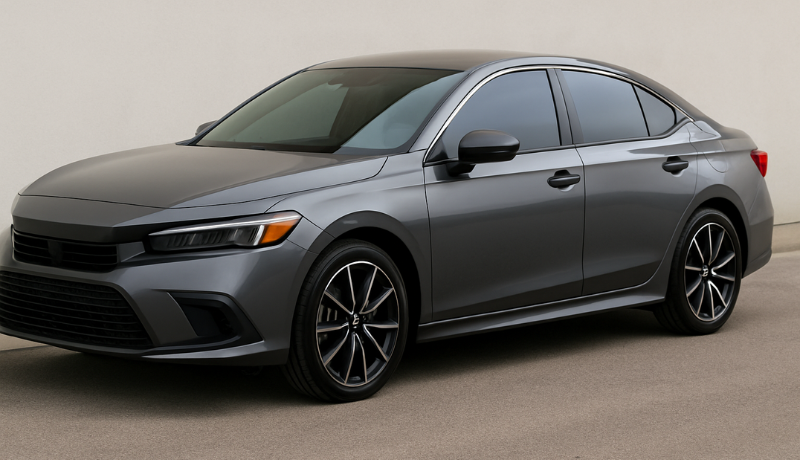
Window tint films are used to reject infrared waves and filter harmful radiation. They have been steadily modifying different functional layers for a better air conditioning system inside cars.
Infrared sunlight penetrates the glass and heats the insides of the car. When it has gained its heat, it often stabilizes inside and converts the cabin into an oven, beating up on the air conditioning, fuel, and battery, and making everybody pretty uncomfortable.
When you install tint films with the right percentages, this heat load is significantly reduced; hence, they make the drive quite comfortable against harmful UV rays.
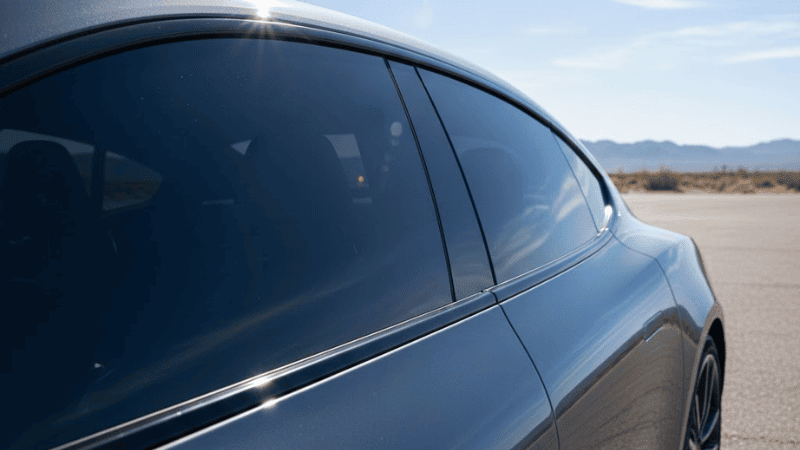
During the day, there is sunlight shining and bright reflections coming from other vehicles, and at night, the same heat comes from the headlights of other cars. These things create glares that slow people’s responses.
With this latest technology in tinting, you can mute all the bright lights without darkening the view with multi-layer optical films, thus making it good for both driving at night and in the morning, and also increasing fuel efficiency.
Modern technology pertaining to window tint uses completely non-metallic materials. This guarantees no disturbance at all on the quality of reception of GPS, mobile, radio, and even the parts of the most advanced driver-assistance systems yet.
What is Ceramic Window Tint?
Ceramic window tint is a film that consists of microscopic ceramic particles inside the film itself. The microscopic ceramic particles reflect and radiate heat, but they remain optically clear.
In contrast to dye or metal, it provides the same performance by fading the color and not diminishing the signal.
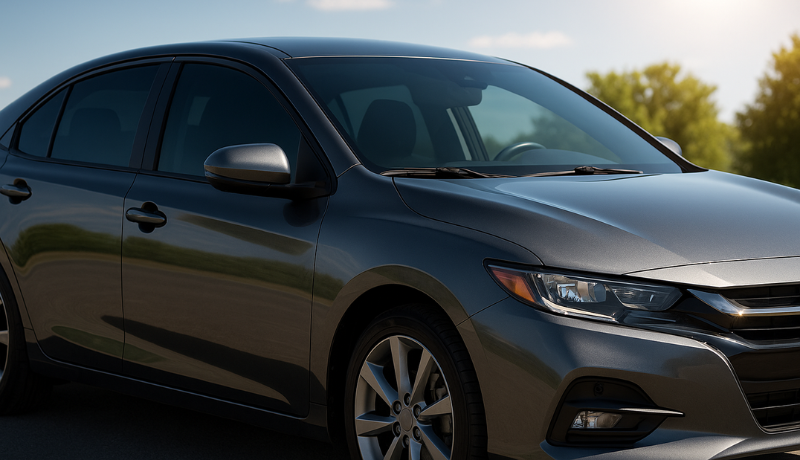
Most drivers pick ceramic tint because it blocks a lot of heat (especially infrared) and UV while staying clear and durable for many years, thanks to spectrally selective tech.
It typically costs around $400–$800+ for a full-car install. It is the type of tint that can be seen on almost all passenger and sport utility vehicles, even on fleet vehicles.
Benefits of Ceramic Tint
They have extremely better heat rejection, because of this, the cabin stays cooler without depending on air conditioning for the comfort of the passengers, even in the intense sunlight outside.
It also has thermal rejection among its biggest advantages. With ceramic tints, more than 99% UV rays are blocked, thus protecting the skin from the harmful UV rays. This window film also protects the interior parts and materials of vehicles against skin damage, fading, or cracking due to harmful UV rays.
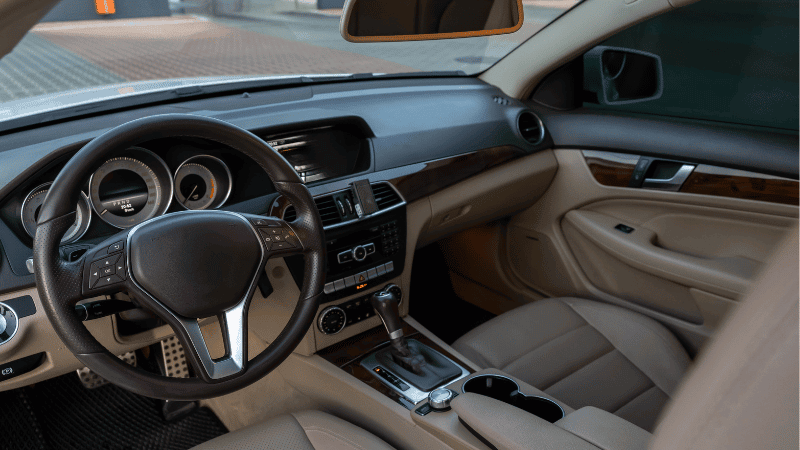
Ceramic tinting is also famous for durability; it lasts long since it has no dyes, thus holding the same outlook for years after application. This is the beauty of color stability and scratch resistance.
It provides clear communication due to Infrared (IR) absorption. The ceramic tint can be used without interruption by GPS, mobile phone, Bluetooth systems, and vehicle sensors, including cells that use advanced technologies.
For performance, reliability, and the lowest price, it commands validity as one of the best alternatives for daily driving.
Downsides of Ceramic Tint
Apart from all the advantages it offers, it is not well-accepted in the entry-level market since the cost of window tint is more than a standard dye or metallic application. This is good for Ultraviolet (UV)attenuation, yet it does not measure the highest on the infrared rejection scale.
What Is Nano-Ceramic Tint?
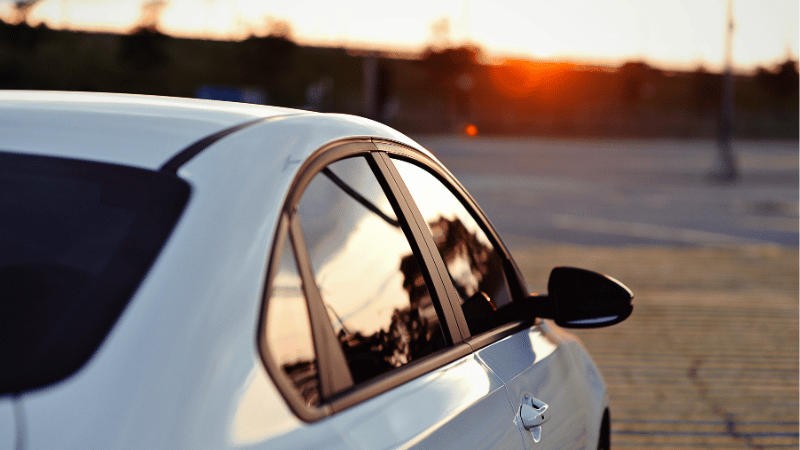
The nano-ceramic tint is the highest advancement in ceramic technology. These are made from nano-isolation particles to an even smaller size than the traditional ceramic particles.
They can absorb and block infrared heat; thus, it provides outstanding clear vision; for this reason, Nano-Ceramic tint is usually seen as the best possible source of tint in terms of that.
Benefits of Nano-Ceramic Tint
There are many benefits of window tinting. The most important feature of nano-ceramic tint is its exceptional infrared heat rejection. These films usually boast around 85% to 95% solar heat rejection, and therefore, a lot of sunlight is prevented from penetrating indoors.
Generally, the performance levels provided by these films can make the cabin cooler in open conditions where it is really very hot outside. Therefore, some drivers experience faster cooling times with more comfort during longer trips.
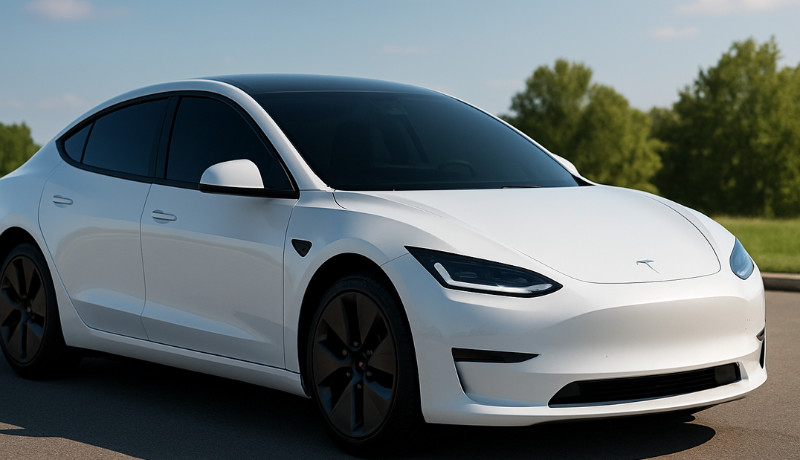
Apart from this, nano-ceramic tint is a material for crystalline vision clarity. With very dark shades, vision remains very sharp without distortions, thus adding to daytime and nighttime driving for less eyestrain and safety.
Attaining a Nano-Ceramic tint is thus a very excellent choice for EVs because of great energy efficiency. As very little heat enters the cabin, climate control systems do not work that hard, thereby lessening the temperature swings that deplete the battery.
Hence, it can be seen that nano-ceramic tint has been getting great reviews among electric vehicle developers and owners due to spectral selectivity.
In addition, these tints last longer. Lengthy life can be credited to high durability and significantly enhanced scratch resistance by clarifying the ceramic nanotechnologies. It also depends on professional installation.
Downsides of Nano-Ceramic Tint
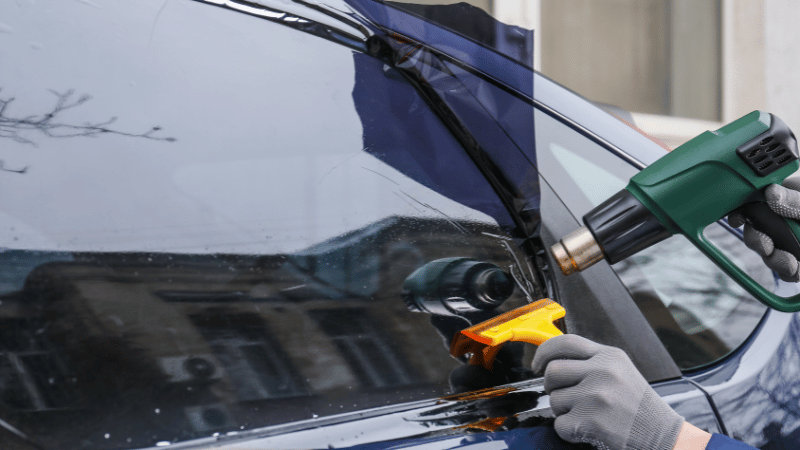
Among all cons, it is most likely the higher price tag because of high-priced materials and complex processes. Installation should also be done by an expert who contributes to enhancing performance for the application.
Nano-Ceramic vs Ceramic Tint: Side-by-Side Comparison
The following comparison neatly shows the key differences of ceramic and nano-ceramic window tinting:
| Feature | Ceramic Tint | Nano Ceramic Tint |
|---|---|---|
| IR Heat Rejection | ~70–85% | ~85–95% |
| UV Blocking | 99% | 99% |
| Glare Reduction | High | Very High |
| Clarity | Good | Excellent |
| Signal Interference | None | None |
| Best For | Daily drivers | Hot climates, EVs, luxury cars |
Real-World Performance Differences
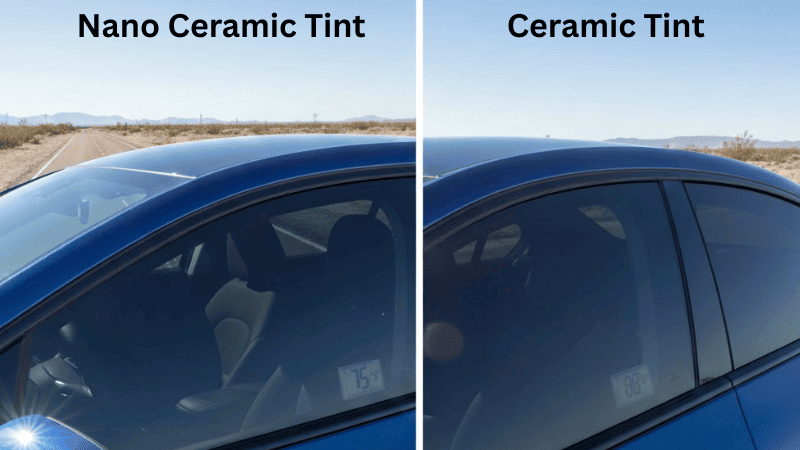
While ceramics keep away glare and interior heat on bright sunny days, giving some comfort to people daily, the nano-ceramic tint does a step better by helping to really cool down the interior environment.
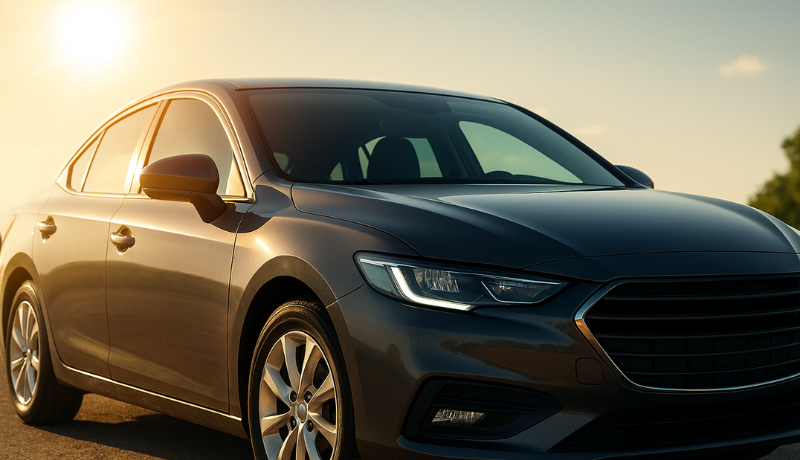
In hot weather, ceramic windows tint pretty much hold the use of air conditioning in check to stabilize temperatures within the cabin.
In contrast, the nano-ceramic tint is much better in extremely high temperature conditions, therefore exposing them to faster-cooling environments. This can only be mostly noticed in EVs.
At night, you can enjoy clear visibility from both films. But you need to clean the window tint very carefully. However, the nano-ceramic tint comes with superior optical clarity because it reduces halos and light distortion around headlights and streetlights.
Is Nano-Ceramic Tint Worth It?
It is definitely great for clients who live in a hot region, want the most in heat rejection, and own an EV car. On the other hand, if the budget is tight and you live in a mild environment, then it is good to invest in Ceramic window tints.
Always invest in top brands leading in the tint market to get the best quality.
How to Choose the Right Window Tint for Your Car
Evaluating the purchase of window tint with the budget and performance components can help satisfy customers’ expectations. Climate plays an important role because those in hotter regions benefit from this kind of high rejection of infrared rays.
Check how much percentage you need. These tints are used in 30%, 20% and 50%. Don’t choose tint only by how dark it looks; also, check how well it blocks infrared heat.
A trusted brand like Carlikefilm helps make sure you get consistent quality and real performance you can rely on.
Conclusion
There is no question that nano-ceramic window tint is head and shoulders above all alternatives in heat rejection, clarity, and longevity, whereas ceramic tint represents a good middle-tier and high-value proposition. The actual choice of course varies with various considerations like climate, budget, and so on.
Partner with Carlikefilm for High-Performance Window Tint Solutions
Carlikefilm offers premium car window tint films with superior clarity and durability, fast turnaround for high-volume projects, low MOQs, and consistently high-quality products. Whether you’re scaling your business or launching new services, we’ve got you covered.
Contact us today to request a quote and grow your tint business with confidence.