
Have you just had your PPF replaced, only to notice it wearing out already? Well, this guide explores common PPF damages, repair mistakes, and expert installation tips to help you ensure long-lasting car paint protection. So, to keep your vehicles looking flawless for years, let’s begin!
Common PPF Damages Over Time
The PPF that encloses the exterior of your vehicle is its real knight in shining armour, but even a knight wears out when it keeps fighting off adversaries every day.
Here, the knight is being referred to as PPF, which takes all the hits of the harsh road elements so that your car’s paint remains protected.
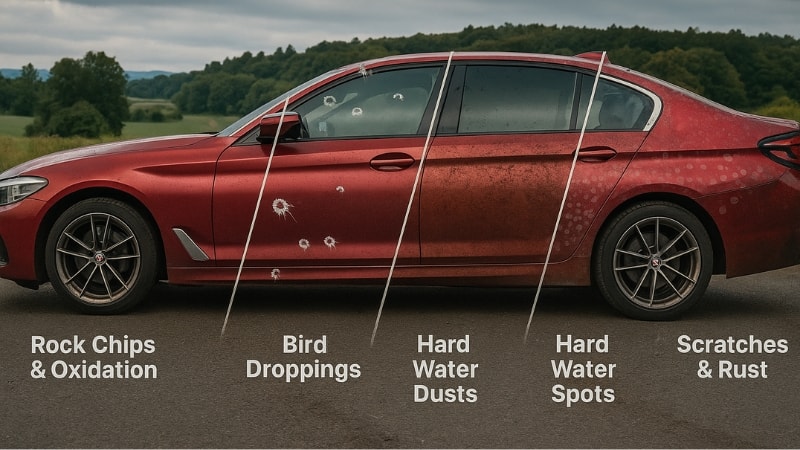
Therefore, you should follow a proper upkeep process to maintain the integrity of your PPF shield, as well as cater to the minor damages on time so that they don’t turn into major ones.
But for doing so, you must also know all the common and potential damages that your protection film can undergo, and that’s exactly what we will discuss in this section.
Scratches
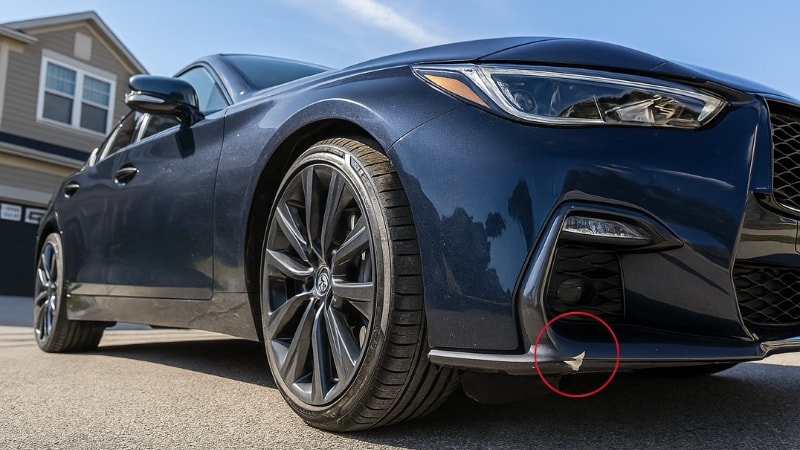
When on the road, different scratches are that one type of damage that is inevitable, since while driving, small stones, road debris, bits of asphalt, and even gravel strike your vehicle’s surface like projectiles.
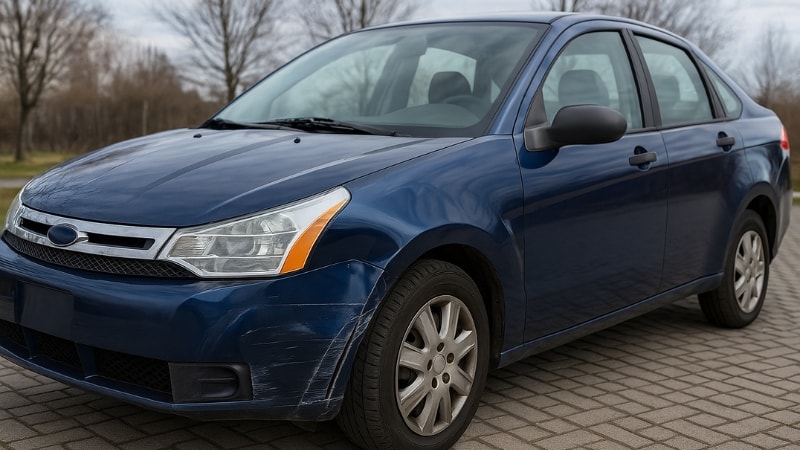
More often than not, the minor scratches heal on their own. However, the deep scratches do require attention, and if not provided, they eventually cut through the paint protection film and expose the paint underneath.
Bubbles Forming
The formation of bubbles under the wrap is due to two reasons: improper PPF installation or consistent exposure to extreme heat. Either way, not only do they look hideous, but they also kickstart a cascade of damage like peeling edges, reduced film’s effectiveness, and poor adhesion.
Thus, these trapped PPF air bubbles are the culprit for other PPF damage as well. You should fix and maintain the car with bubble wrap with proper methods.
Film Discoloration
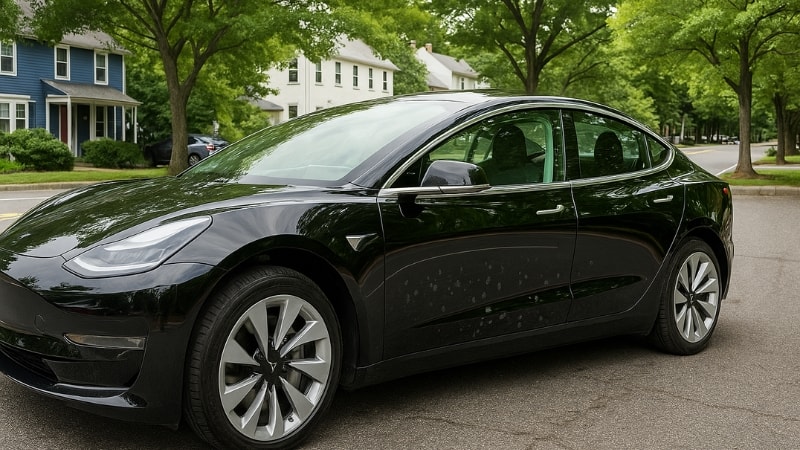
Unlike colored PPF, a transparent paint protection film, under sun exposure, is prone to discoloration and developing a yellow hue. While the yellowing scales down the aesthetic appeal of your vehicle, it is also an indication for car owners that their PPF is wearing out.
It is imperative to note that just like other contaminants of the road, sun exposure cannot be prevented, but you can protect your car from sun damage by parking in the shade.
Peeling Edges
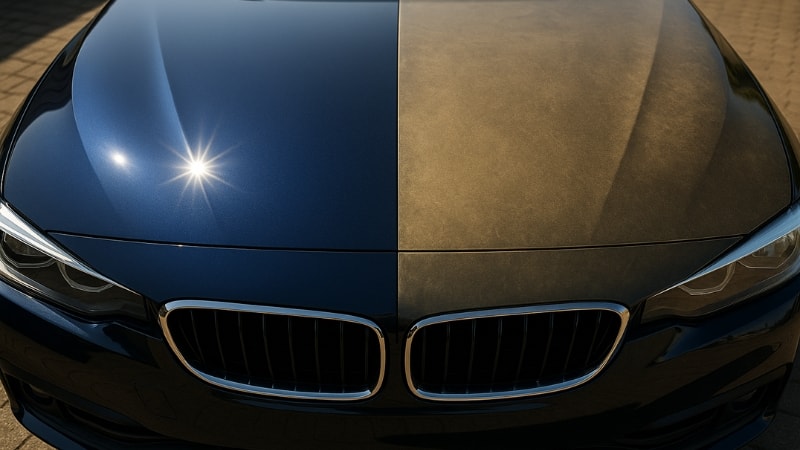
The PPF peeling is another hazard that may seem minor at the beginning, but eventually leads to damage to the car’s paintwork as the underneath paint gets exposed from the lifting points.
Peeling edges, most commonly, occurs due to high-pressure washing in automatic car washes and a lack of regular maintenance. Hence, learning proper washing technique is essential.
Stain Development
A PPF may be virtually invisible, but it can develop staining upon long-term washing with hard water and harmful chemicals, which contributes to degradation. Additionally, everyday hazards like bird droppings, bug splatter, and tree sap also leave stains and blotches.
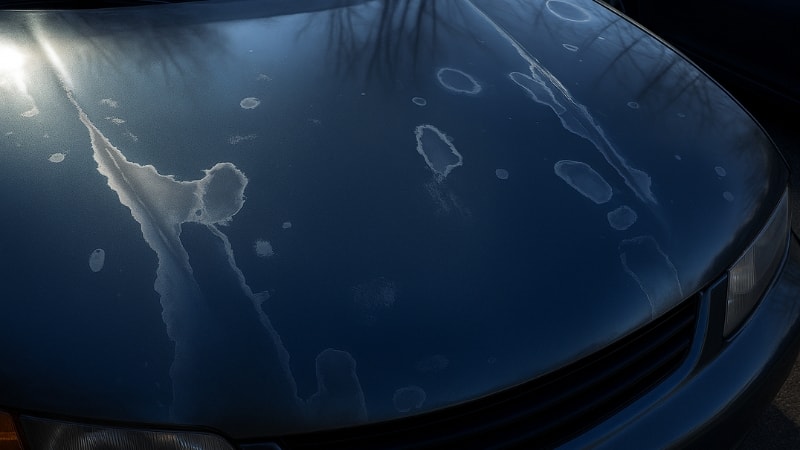
If the immediate stain removal does not take effect, both the sunroof tint and PPF become damaged.
Flaking and Distortion
When the PPF adhesive breaks down, the film starts to flake, and the film’s appearance starts to become hazy and distorted. It is a sign that the lifespan of your PPF is completed, and you need to opt for replacement.
However, by avoiding harsh chemicals and ensuring no soap residues are left on the vehicle’s surface, you can extend the expected life of paint protection film PPF.
PPF Repair Mistakes During Damage Fixing
In addition to knowing how PPF works and common damages on it, it is essential to catch issues early so that you can repair the damage before it escalates.
However, even during the repair process, mistakes may occur that can compromise the film’s effectiveness.
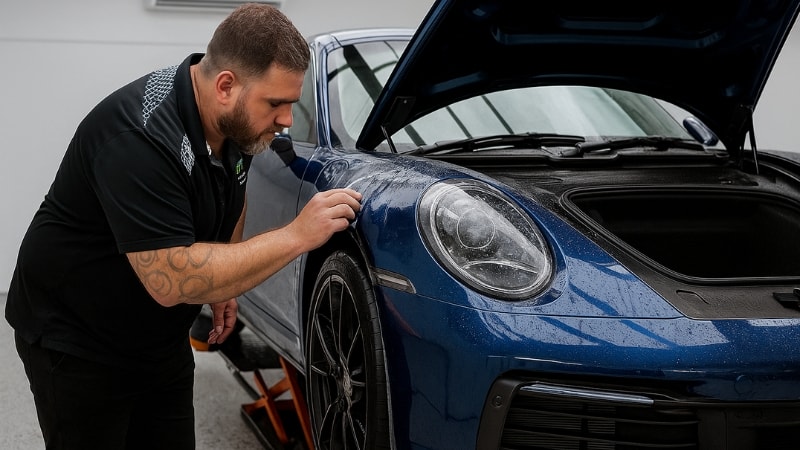
In this section, we will mention the mistakes that may occur while repairing those damages to the film.
Inaccurate Assessment: Sometimes the damages that a film has suffered are so deep that only a skilled assessment can find the underlying condition.
It may be that your vehicle actually requires a complete film replacement, but instead, you feel that just patching up certain spots will suffice.
Incorrect Alignment: Another common mistake is not aligning the new patch with precision so that it blends with the existing film. If the patch is even slightly off from the body lines or contours, not only does it look obvious but also creates stress points where edges are more likely to lift.
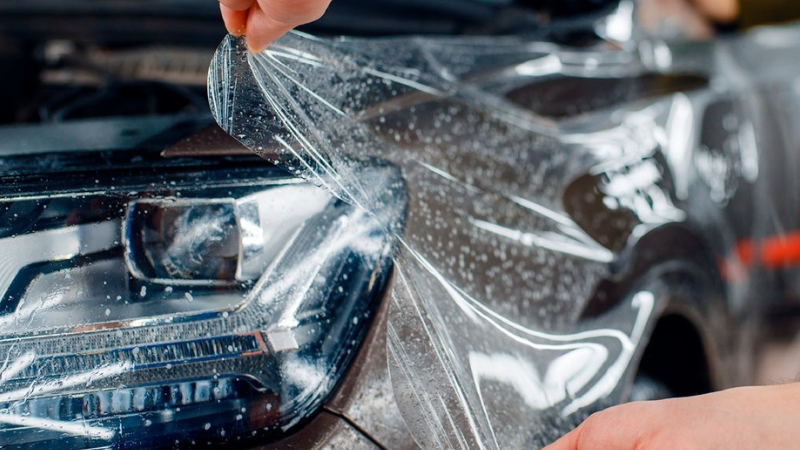
Short-lived Fixation: Another mistake made during paint protection film repair is attempting quick fixes like applying sealants or heat-stretching to mask damage instead of proper repair.
While these shortcuts may hide the issue temporarily, they compromise the film’s protective integrity and often lead to bigger failures over time
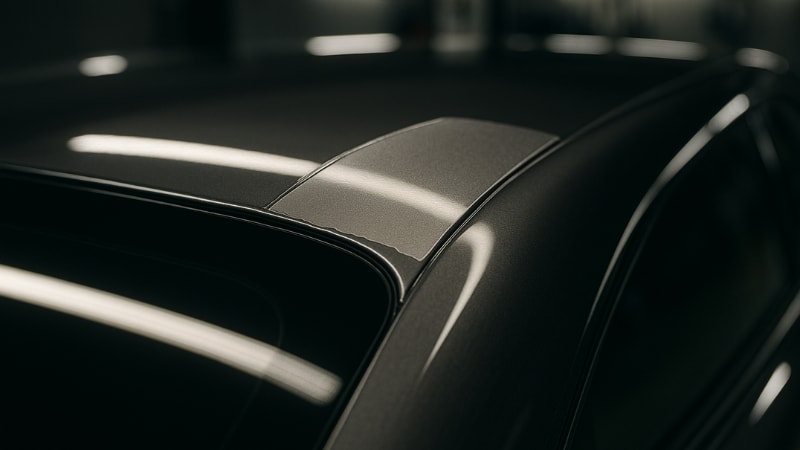
Mismatched Film: While installing a PPF patch, another mistake is to use a patch of a different material or from a different PPF brand than the one originally installed.
A mismatched film is prone to coming off again and looking noticeably different, spoiling your vehicle’s appearance.
Incomplete Sealing of New Patch: Whether you use ceramic coating or PPF, proper heat application is essential to seal the new patch.

Failing to do so results in seeping of dust and dust under the film, which quietly damages the paint while you think your vehicle is under superior protection.
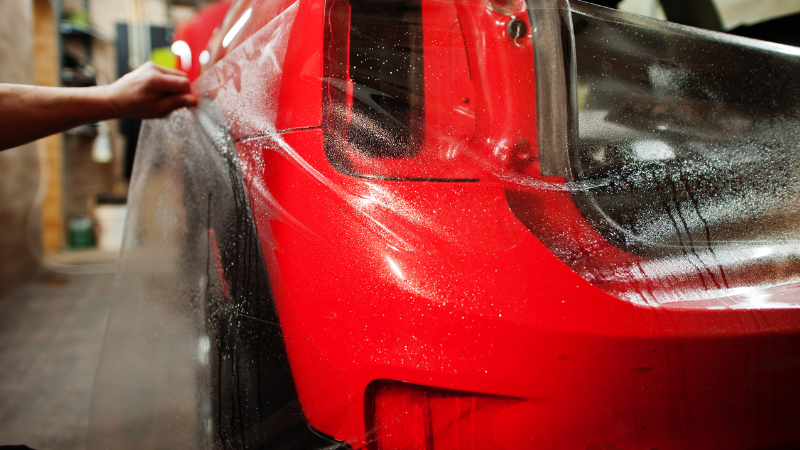
DIY Repairs: Repairing a damaged film is a specialized skill, but if you take the endeavor into your hands and attempt makeshift DIY solutions, the results won’t be promising.
Such mistakes might seem like a way to save the expense of professional services, but eventually lead to complete replacement.
How to Avoid PPF Repair Mistakes
Now that you know all the potential mistakes there can be while repairing a damaged car wrap, whether it’s applied on your van, bus, bicycle, or whatever.
In this section, we will share the factors that must be taken into account while repairing a damaged PPF so that the results can be ensured to last longer.
Professional Installers
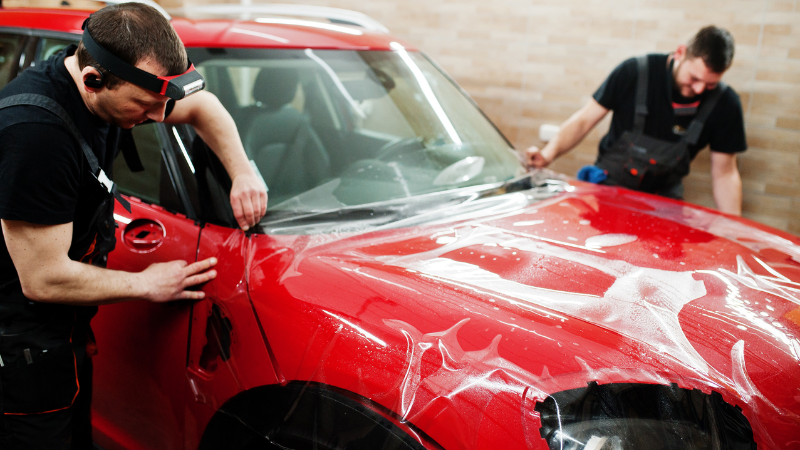
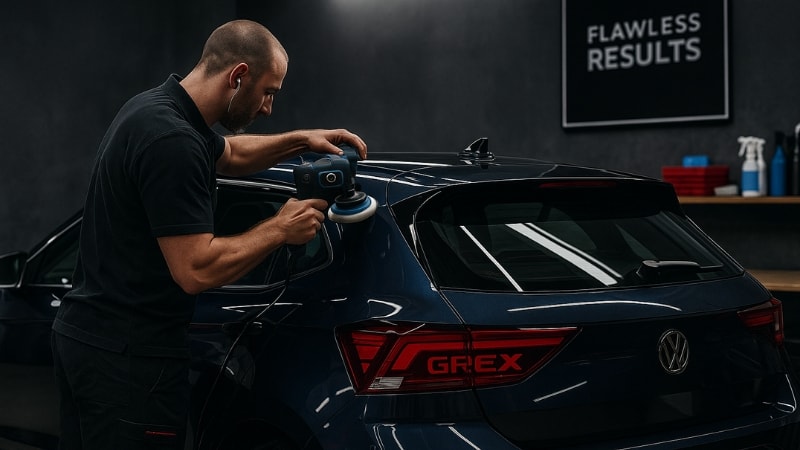
Nothing can match the accuracy and dexterity of a skilled professional for installing paint protection film. Thus, always consult a professional for assessment of damages and get their services for a long-lasting performance of the repaired PPF.
Surface Preparation
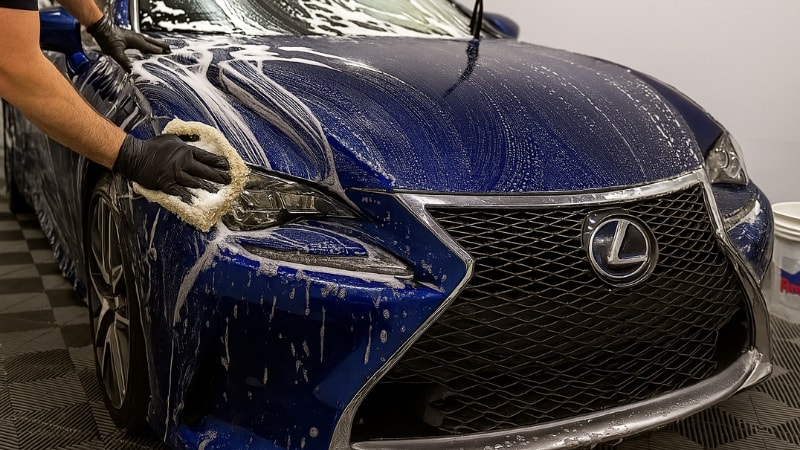
Before the PPF application, whether whole or just a patch, the surface must be adequately prepared for effectively removing dirt and achieving an optimal adhesion. Wash the vehicle’s surface with a pH-neutral car shampoo so that it doesn’t damage the film or the car’s paint.
Choose High Quality Protection
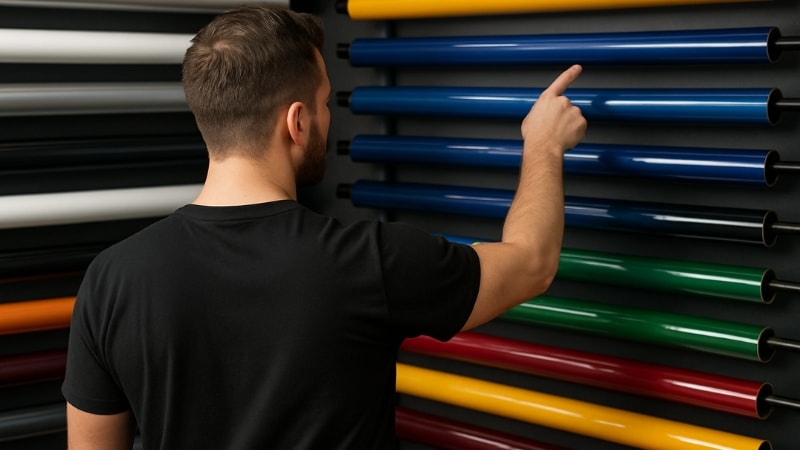
Among all the automotive paint protection options available in the market, not all of them are made equal. Some provide superior protection and have self-healing properties, while others just do the job.
Thus, only choose high-quality PPF, such as Carlike’s durable PPF, to avoid costly repairs and enjoy lasting protection.
Use a Heat Gun
Another thing that can help you avoid PPF repair mistakes is the adequate administration of a heat gun so that the film gets firmly attached to the car’s exterior. Reach all the nooks and crevices to ensure all the ends are sealed and the car’s paint is not exposed from any spot.
Correct Installation Technique
Just for the sake of PPF installation, you can apply the protection film any way you want to. However, only the right car wrap installation technique will yield crease-free and bubble-free results. You must apply it piece by piece so that each panel can be properly aligned and tacked down.
Common PPF Installation Mistakes and How to Avoid Them
Installing a PPF over a vehicle’s surface is not mere slapping it on the surface. The process requires taking care of various factors so that the installation goes smooth; otherwise, irregular installation doesn’t provide long-lasting protection.
By understanding the potential PPF installation mistakes, you can be prepared for them beforehand and provide your customers with error-free installation.
| Mistakes | Consequences | Recommended Action |
|---|---|---|
| No Surface Preparation | Debris accumulate, hindering proper adhesion | Use pH neutral car shampoo to clean the surface |
| Bubbling | Air bubble causes the PPF to peel and flake | Use squeegee to squeeze out air pockets |
| Improper Edge Sealing | Edges lift, allowing debris to go under the film | Pay particular attention on edge to tack them fully |
| Lack of Expertise | Panels get overlapped with no smoothness | Hire a professional installer for seamless application |
| Over Stretching | Film becomes too thin that it can tear apart over the time | Use proper heat/stretch ratio; follow brands' guidelines |
| No Paint Inspection | Film traps scratches, chips, or swirl marks, reducing final finish quality | Intensively inspect the paint to resolve the issues |
Essential Tools for Successful Application
Just as no war can be won without soldiers, no paint protection film application can be completed without the right tools. Having the appropriate tools makes a significant difference between an under-the-par installation and a commercial-grade application.
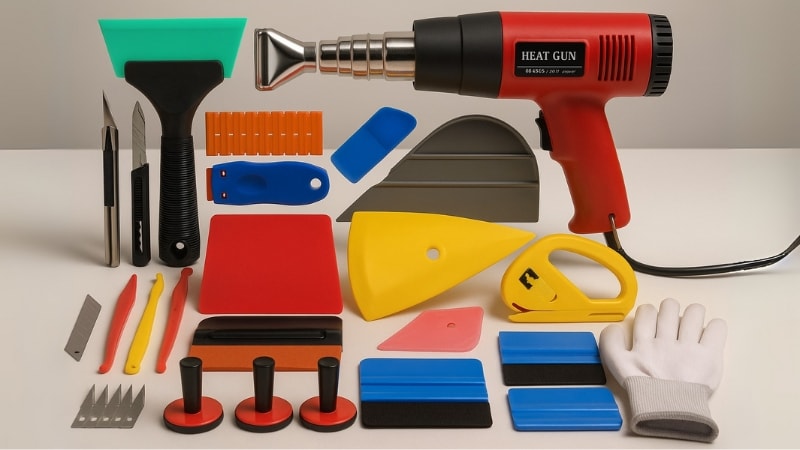
Here’s the list of tools every installer, whether a professional or car owner with DIY finger, must have in their PPF repair kit for a professional outcome.
- Clay Bar: Before application, the clay bar helps you take out all the environmental contaminants from the vehicle’s surface. Through this contamination removal, the surface of the vehicle also gets prepared for the further steps of application.
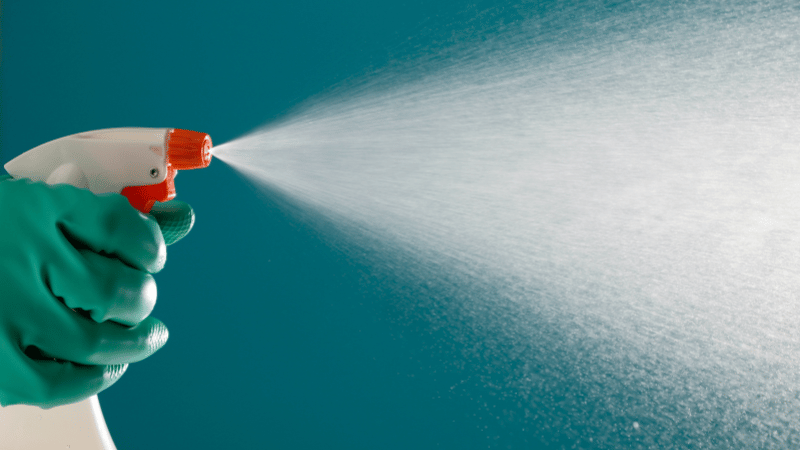
- Spray Bottle: A spray bottle is essential for misting the slip solution over the car surface to make the application smooth and bump-free, as it allows the film to glide freely. Paint protection films are also sometimes applied over cars with vinyl wrap, so a slip solution eases the application.
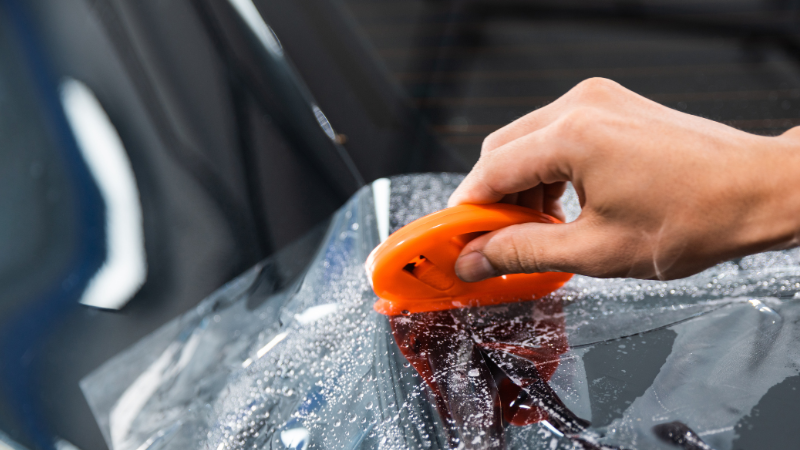
- Squeegee: Another essential tool for ensuring a professional installation is the squeegee, which provides the exact pressure required to expel the bubbles and tack down the film for a strong grip.
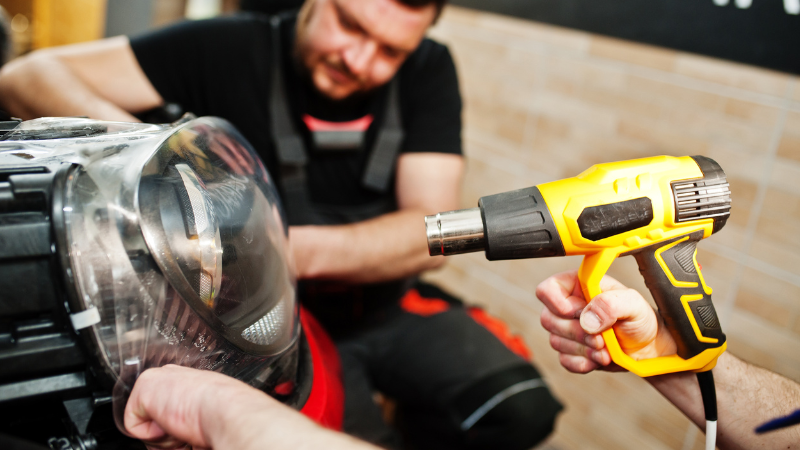
- Heat Gun: If we are to recommend one tool without which PPF installation is incomplete, that would be, without a doubt, a heat gun. A heat gun will help you manage all corners while ensuring strong adhesion of the film.
- Microfiber Towel: After you apply PPF, a microfiber towel for detailing comes in handy to dry and clean the film surface to provide a swirl mark-free finish. This cloth has ultra-absorbent properties and can absorb an extensive moisture in one swipe so that it doesn’t seep under the film.
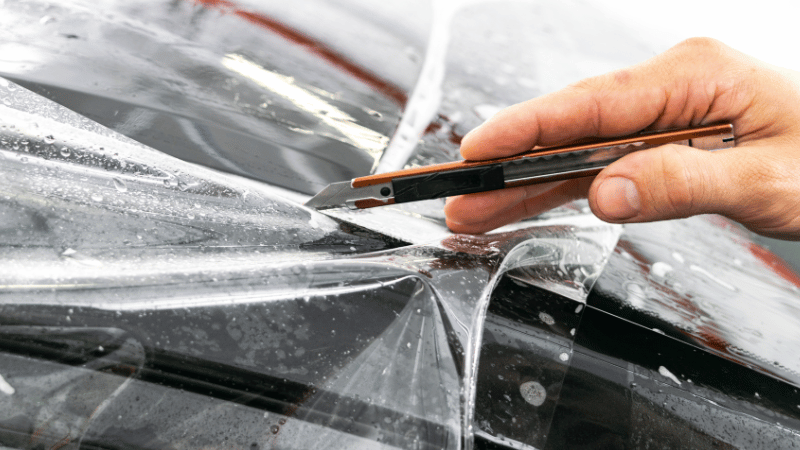
- Precision Trimming Tool: Last comes the trimming tool for cutting the excessive edges so that a smooth finish can be obtained. The sharpness of this tool provides the necessary force you need for precise cutting.
Main PPF Maintenance Mistakes
Even the most expertly applied PPF will fail to deliver lasting protection if a proper maintenance routine is not followed. Many car owners invest in premium PPF and professional installation to gain the ultimate shield, but often overlook something as simple as upkeep.
In this section, we’ll highlight the most common mistakes and oversights in PPF maintenance, so that you can avoid them.
Using Cleaners with Harmful Chemicals
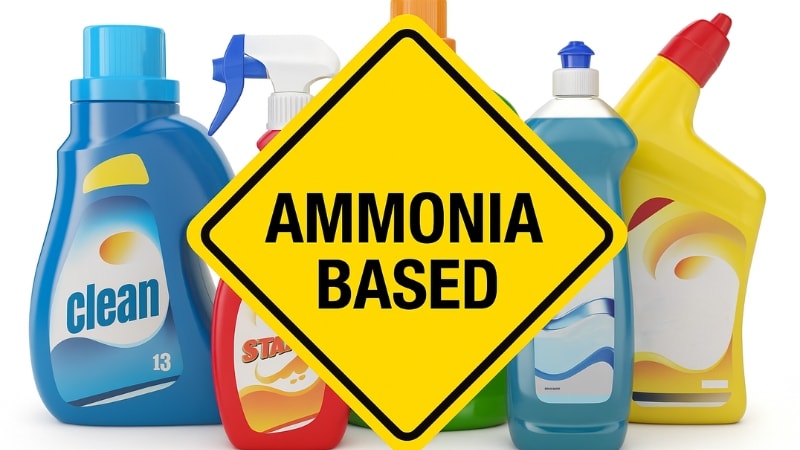
Most car owners cannot differentiate between cleaners that are safe for PPF washing and those that are not, such as ammonia-based products. For PPF cleaning, specifically formulated detergents are available that do not react with the polymer matrix of paint protection films.
High Pressure Washing
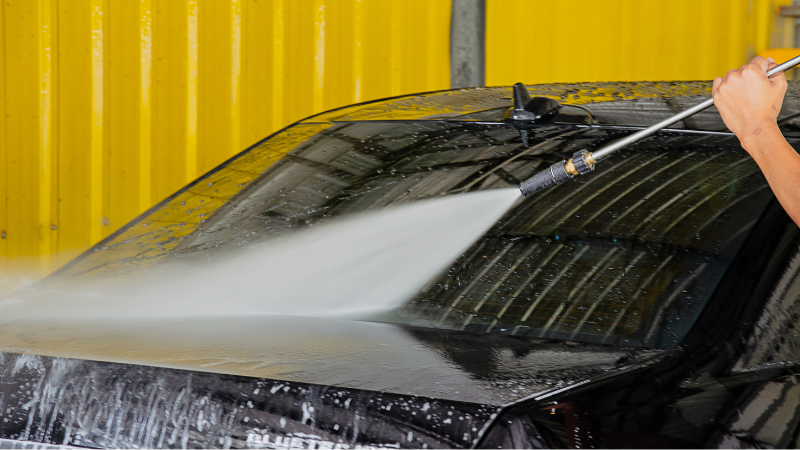
Getting your car washed at car washing stations can also cause lifting of the PPF, as these stations employ high-pressure washers that can damage the film over time. Instead, using a two-bucket method will make all the difference.
This method refers to using two buckets; one filled with soapy water, while the other is filled with clean water.
Skipping Regular Washing
In the regime of regular maintenance, skipping the washing after cruising through rough terrains can prove to be brutal for your paint protection film PPF. Regular cleaning is a must for removing bird droppings, road debris, bug splatter, and other grime.
Scrubbing
Scrubbing may help you get the stubborn road debris off the car, but it also forms minor scratches on the surface. Thus, with a PPF application, the resale value may increase, but if you don’t take proper care, even the PPF won’t be able to protect the well-maintained paintwork of your car.
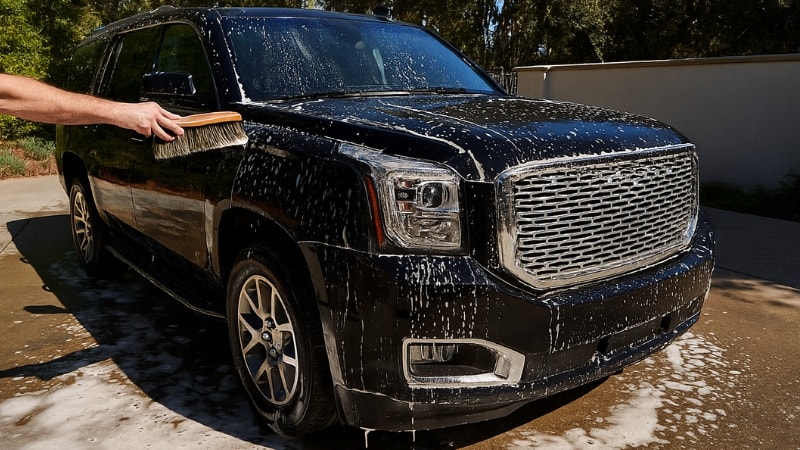
Global PPF Market Insights
The global Paint Protection Film (PPF) market continues to grow strongly in 2025, driven by higher consumer demand for long-term vehicle protection and premium aesthetics.
The global paint protection film market size is projected to reach USD 726.63 million by 2030, growing at a CAGR of 6.6% from 2025 to 2030.
Recent trends show an increase in self-healing polyurethane films, matte finish PPFs, and ceramic-infused coatings, reflecting a shift from basic protection toward aesthetic enhancement and durability.
Keys to Exceeding Customer Expectations in PPF Installation
When a car owner seeks out the services of a professional, they expect nothing less than a top-notch outcome, and rightly so. After all, they are investing in their vehicle’s protection and appearance.
Thus, as a PPF installer, you must be ready to exceed these expectations and provide them with what they want.
Choose High-Quality PPF
Stock up on high-quality PPF, which is built with advanced technology and features long-lasting protection properties. Partner with leading manufacturers like Carlike Films for premium paint protection film while also benefiting from wholesaler discounts.
Use Necessary Tools
Equip yourself with all the necessary tools required for PPF installation, as well as for vinyl wraps and window tinting. By having the right equipment on hand, you position yourself as a one-stop solution for customers who may be seeking multiple services in addition to PPF.
FAQs
Q1: How to tackle minor scratches on the surface?
For minor scratches, a heat gun would be sufficient, as PPF these days has self-healing properties. Upon exposure to mild heat from a gun, the film will blend from the spots where scratches formed.
Q2: Why should you invest in high-quality PPF?
Premium PPF offers better durability, self-healing, and long-term protection, saving you costly repairs later.
Q3: Can delaying PPF replacement damage my car’s paint?
Yes. A worn-out PPF lets dirt, UV rays, and moisture seep in, which may cause permanent paint damage.
Q4: When is the right time to replace my old PPF?
If you notice yellowing, bubbling, or peeling, it’s time to replace it to maintain full paint protection.
Conclusion
A PPF acts as a barrier for your car’s paint and protects it from all the adversaries of the road, and hence, increases the resale value. However, just like any protective layer, the film itself requires proper upkeep, which starts with choosing a high-quality film that demands less maintenance.
Carlike Films can be your go-to solution for all the automotive film requirements and queries.
Partner with Carlike for Flexible, Fast, and Reliable Supply Now!
At Carlike, we make it easy for your business to grow! You can start with a low MOQ from just one roll, enjoy fast delivery within 5–7 days, and benefit from our tailored OEM/ODM services. With premium-quality films and reliable support, we help you reduce risks, save time, and expand your brand confidently.
Contact us today for your quote!